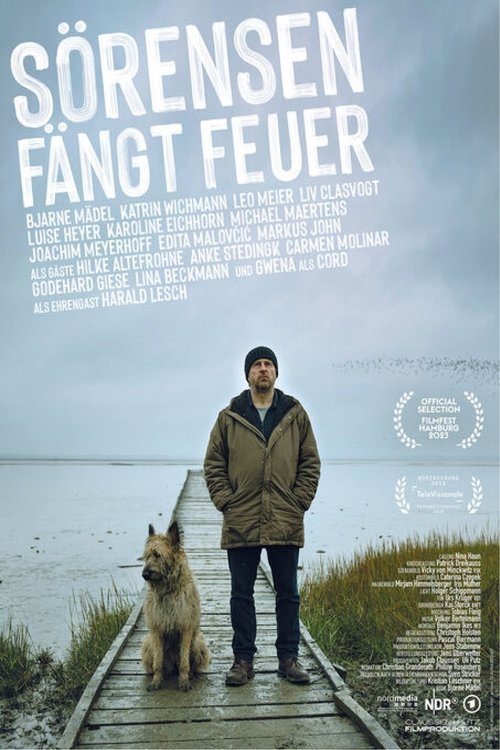
Sörensen Catches Fire
2023
No user ratings available yet
Representation score: 6.9 out of 10
Representation Score
Good
2020
Director
Bjarne Mädel
Runtime
89 minutes
Average Rating
No ratings yetNew Showbiz Analysis
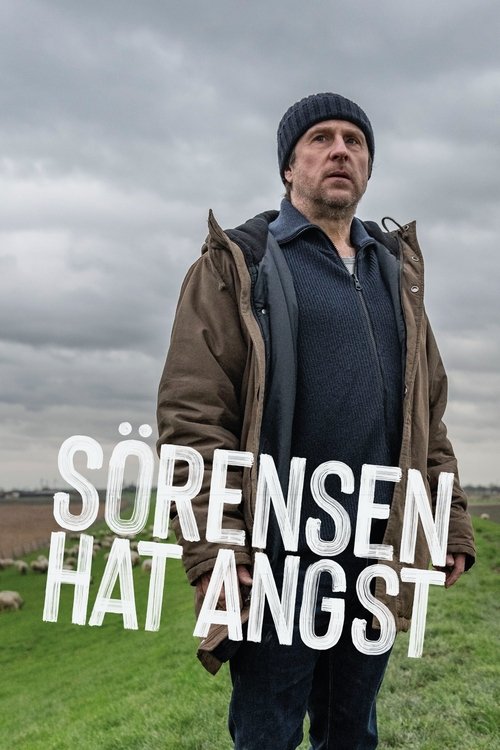
Sörensen's Fear excels as a character-driven study that prioritizes psychological realism over typical crime genre clichés. By focusing on a vulnerable protagonist, the film dismantles the 'heroic detective' stereotype. The production stands out for its nuanced treatment of mental health and its subversion of traditional masculinity. These elements elevate the character's neurodivergence from a cliché to a central driver of the plot. However, the film remains confined to a culturally uniform setting. While it offers a sharp critique of small-town institutions, it lacks visible diversity in terms of race and LGBTQ+ representation.
Category Breakdown
The film does not include any explicit LGBTQ+ characters or narratives. The story centers around the interpersonal conflicts between the protagonist and his colleagues.
The narrative challenges traditional masculine stereotypes by focusing on a male protagonist characterized by psychological fragility. The inclusion of Jenni Holstenbeck highlights professional equality within the law enforcement context.
The setting in a Frisian village implies a culturally uniform community. The theme emphasizes localism, fitting a traditional Euro-centric demographic profile.
The film critiques the serene appearance of small-town life, presenting social harmony as a mask for underlying systemic issues. It provides a sophisticated examination of hidden community corruption.
Sörensen’s chronic anxiety is woven into his identity rather than used merely as a plot device. This gives a significant role in driving the story to a character with a visible mental health condition.
Present on Screen
Limited or Absent
Official Synopsis
Detective Chief Inspector Sörensen is anxious. More precisely, he suffers from a chronic anxiety disorder that makes life difficult for him. That is why he is moving from Hamburg to the Frisian village of Katenbüll, where he hopes for a more peaceful working life. But that is not how the cookie crumbles. The place is grey and bleak, it rains continuously, and the locals are not very enthusiastic in welcoming him. He also finds his new colleagues, Jenni Holstenbeck and Malte Schuster, somewhat suspect. And then things go from bad to worse. Mayor Hinrichs is found dead in his stables. Sörensen quickly realises that there is a lot of bad blood hidden behind the small town's tranquil facade and some well-founded reasons for anxiety...
No reviews yet. Be the first to share your thoughts on this movie!
Use the rating form above to leave a star rating and optional review.