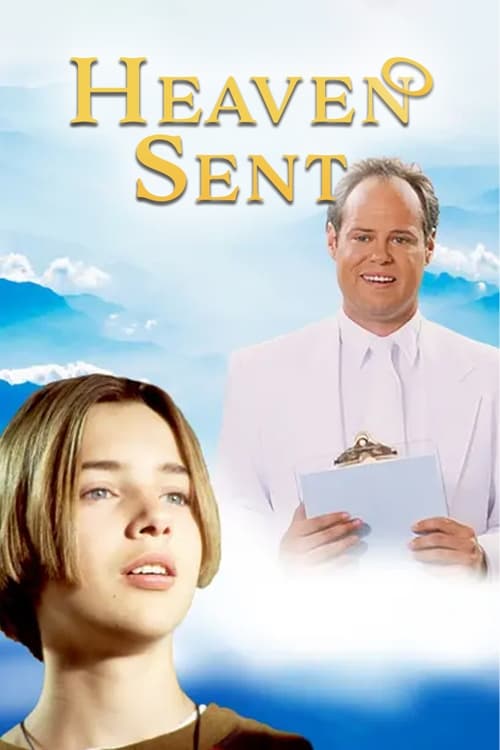
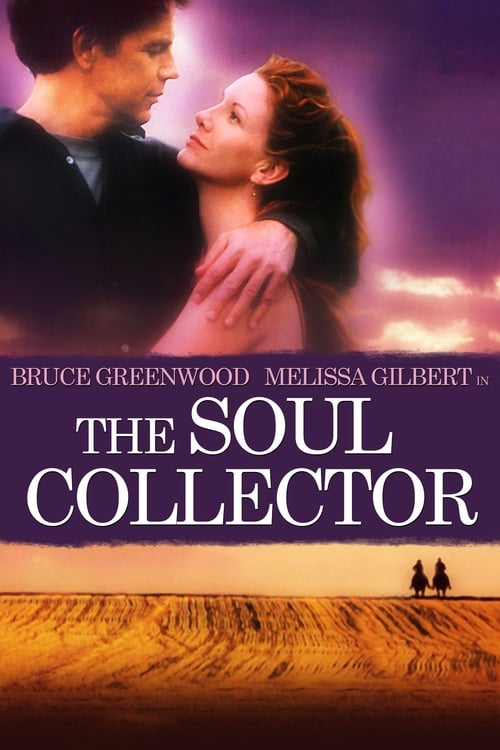
Heaven Sent
1994
No user ratings available yet
Representation score: 1.1 out of 10
Representation Score
Limited
1999
Not RatedDirector
Michael M. Scott
Runtime
93 minutes
Average Rating
No ratings yetNew Showbiz Analysis
The film operates as a conventional genre piece, focusing on a standard romantic and fantasy arc centered around grief and domesticity. It lacks the hallmarks of intentional characters who reflect more than one aspect of diversity or the deconstruction of social hierarchies. While the narrative provides a female lead with ability to act in her environment, the broader structural elements remain rooted in traditional clichés. The absence of diverse casting or non-secular critiques keeps the score within a narrow, conventional range. Ultimately, the work reflects the standard dramatic architecture of its era, focusing on a singular, potentially homogeneous perspective without exploring broader social complexities.
Category Breakdown
The story follows a traditional romantic relationship between a widow and a supernatural entity. There is no visible representation of LGBTQ+ identities or critiques of traditional relationship structures.
Rebecca serves as a central female protagonist navigating grief and domestic farm life. However, the film does not challenge traditional gender roles or masculine authority.
The narrative offers no information about the racial or ethnic composition of the cast. The setting suggests a potentially homogeneous structure typical of late-90s television dramas.
The film uses traditional spiritual themes involving angels and the transition to heaven. It does not offer a critique of religious institutions.
The character descriptions contain no mention of physical disabilities, neurodivergence, or mental health conditions. There is no specific evidence of disability representation.
Present on Screen
Limited or Absent
Official Synopsis
Zachariah, makes a few mistakes and it is decided that he is to live as a human being for thirty days. Mordecai is his supervisor. Rebecca's husband died and Zachariah the soul collector, or, the angel of the death helped him to make the transition between heaven and earth. There are some complications with Rebecca's farm and Zachariah helps her out.
1994
1946

2017
1991

2015
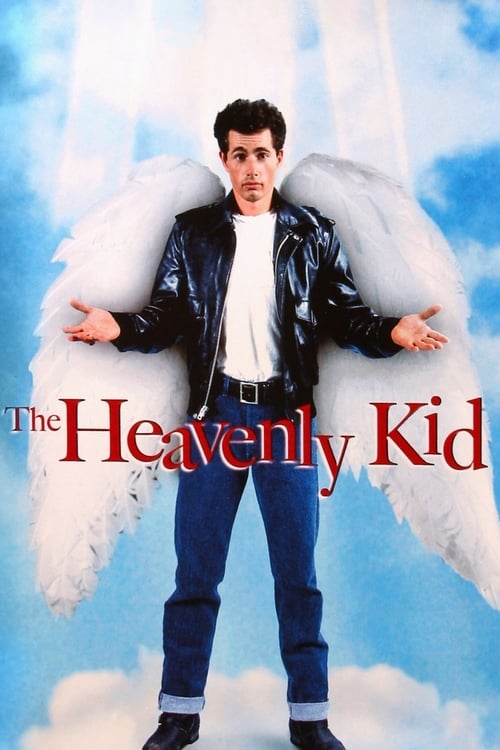
1985
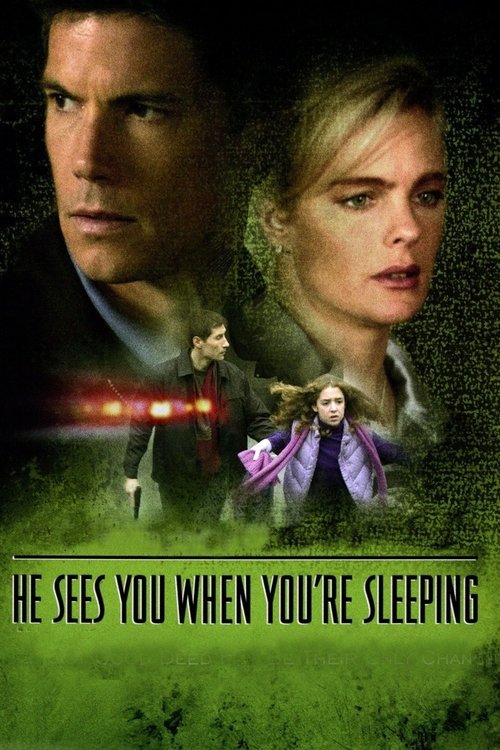
2002
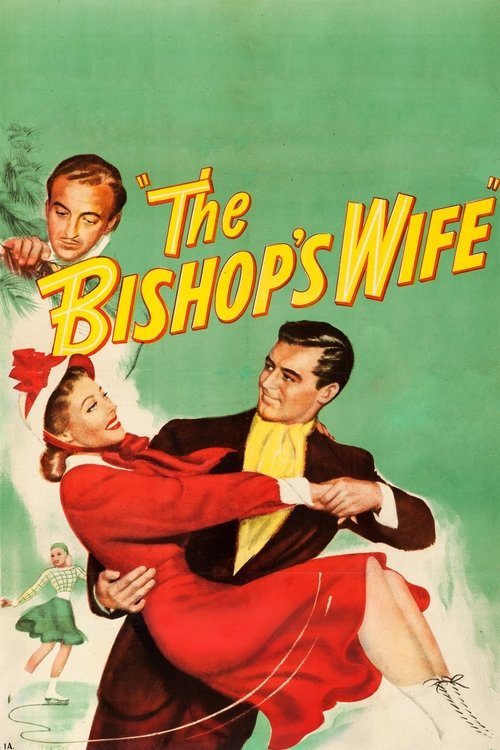
1947
No reviews yet. Be the first to share your thoughts on this movie!
Use the rating form above to leave a star rating and optional review.