The Tall Man
2012
No user ratings available yet
Representation score: 3.5 out of 10
Representation Score
Fair
2017
TV-14Director
Drew Gabreski
Runtime
99 minutes
Average Rating
No ratings yetNew Showbiz Analysis
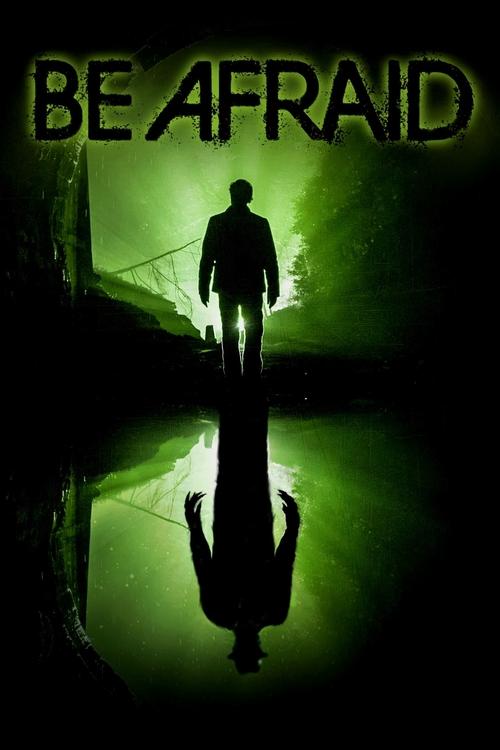
Be Afraid operates as a conventional genre piece that prioritizes established horror clichés over social complexity. The narrative structure relies on a traditional family unit and a patriarchal protagonist to drive suspense. The film lacks intentionality regarding diverse perspectives. Instead of exploring varied viewpoints, it utilizes standard Western domestic settings and neurological phenomena primarily as mechanisms for terror. Ultimately, the work functions within a framework of domestic suspense that reinforces traditional social hierarchies rather than disrupting them.
Category Breakdown
There are no LGBTQ+ characters or narratives addressing non-assuming gender matches what was assigned at birth identities in the film. The story centers around a traditional nuclear family.
The plot revolves around John Chambers, who embodies traditional masculine roles and acts as the primary protector. The narrative emphasizes patriarchal structures.
The film is set in a small Pennsylvania town with a homogeneous demographic. There is no indication of a multi-ethnic cast.
The film adheres to Western clichés regarding the sanctity of the family. It lacks critiques of institutions like religion or the state.
Sleep paralysis is used as a horror cliché to create vulnerability. The condition is not explored in depth or given much nuance.
Present on Screen
Limited or Absent
Official Synopsis
Not long after John Chambers and his family arrive at their new home in a small country town of Pennsylvania, John begins to experience sleep paralysis. Lying there paralyzed, trapped within his own nightmare, other-worldly beings visit John. They are entities which exist in the darkest shadows of the night and can only be seen out of the corner of one's eye. These encounters begin to haunt John, transforming to complete terror as he discovers the entities' sole purpose... the abduction of his seven year old son. In the end, John will uncover the town's horrific secret, a portal on his land, and make one last attempt to save his son before the shadow people permanently take him away to their world.
2012
2011
2016
2012
2022
2012
2018
2007
No reviews yet. Be the first to share your thoughts on this movie!
Use the rating form above to leave a star rating and optional review.