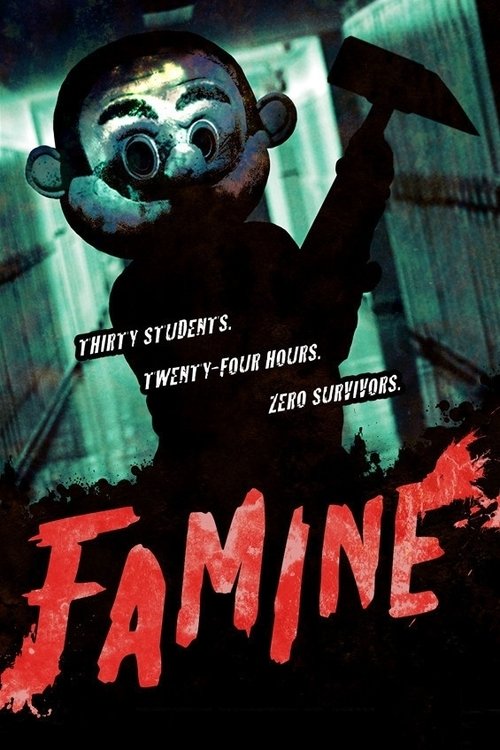
Famine
2011
No user ratings available yet
Representation score: 5.0 out of 10
Representation Score
Limited
1990
Director
Timothy O'Rawe
Runtime
74 minutes
Average Rating
No ratings yetNew Showbiz Analysis
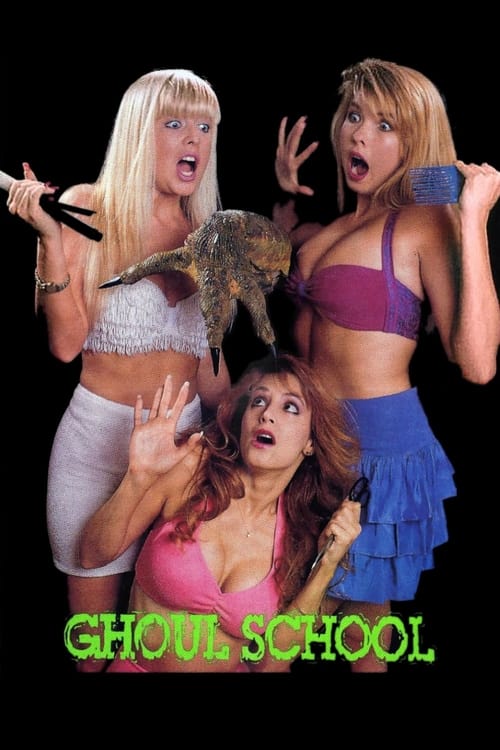
Ghoul School is a product of its time, fitting into the traditional fantasy genre popular in the early 1990s direct-to-video market. The story relies heavily on established fantasy clichés, focusing on mythical archetypes rather than exploring complex social or identity issues. Characters' actions are driven by their supernatural heritage rather than their intersecting identities. This leads to a portrayal that aligns with the era's typical demographic and narrative structures. Overall, the film does not aim to challenge conventional social hierarchies or offer meaningful representation for underrepresented groups, sticking closely to the boundaries of genre fantasy.
Category Breakdown
The film does not depict any non-straight relationships or identities. Character interactions follow typical teenage social norms without questioning the assumption that everyone is straight.
The film features a mix of male and female characters. Female characters play a role in the story, but the narrative does not challenge traditional gender roles or hierarchies.
The cast is mostly made up of characters from similar backgrounds, reflecting the casting practices of the time. Mythical creatures are used as part of the fantasy genre without representing racial or ethnic diversity.
The story follows a classic hero's journey and presents a straightforward moral good versus evil theme. It does not address criticisms of Western institutions or organized religion.
There are no characters with visible or invisible disabilities. Monsters are used for humor and horror purposes without offering nuanced representations of disability.
Present on Screen
Limited or Absent
Official Synopsis
Two sniveling high school dropouts plot to rob the school janitor and accidentally release toxic chemicals into the school's water supply. The swimming team are the first ones to turn into green-faced flesh-eating zombies, and they promptly go after the rest of the present school populace: two horror movie nerds, the members of a metal band and the world's worst basketball team.
2011
1988
2008
1980
2006

2020
1973

2014
No reviews yet. Be the first to share your thoughts on this movie!
Use the rating form above to leave a star rating and optional review.