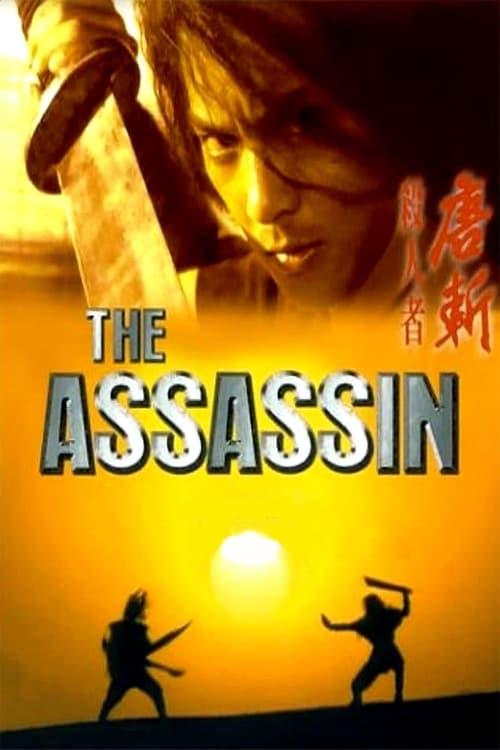
The Assassin
1993
No user ratings available yet
Representation score: 3.5 out of 10
Representation Score
Limited
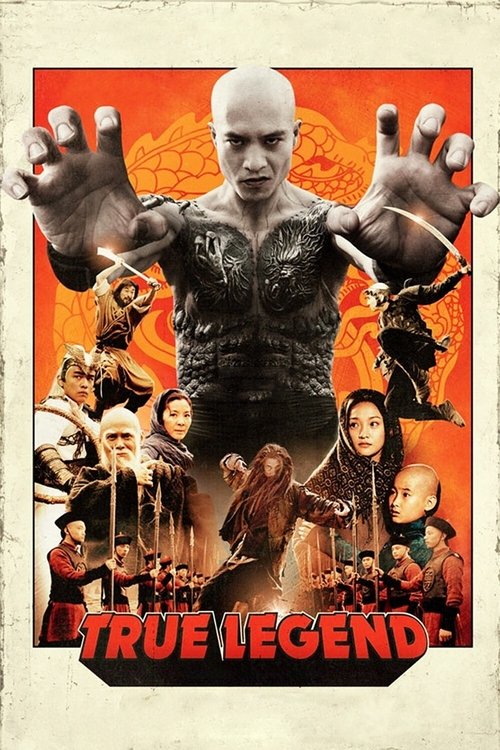
2010
RDirector
Yuen Woo-ping
Runtime
115 minutes
Average Rating
No ratings yetNew Showbiz Analysis
True Legend is a traditional genre piece that focuses on historical authenticity and classical martial arts themes. It operates within established social hierarchies, emphasizing individual merit and discipline rather than identity-based representation. The film adheres to conventional gender and social structures typical of period Wuxia cinema. While it offers a rich cultural immersion, it does not significantly challenge mainstream narrative frameworks. Ultimately, the work centers on technical mastery and honor, with minimal exploration of non-traditional identities or systemic critiques.
Category Breakdown
The film does not include any LGBTQ+ characters or narratives. Social dynamics focus solely on traditional family and master-disciple relationships.
Male characters dominate the narrative, while female characters are mostly confined to supporting or domestic roles within traditional social structures.
The cast is primarily Chinese, offering an authentic glimpse into late 19th-century society. It does not incorporate diverse casting that reflects multiple identities.
The story emphasizes traditional values such as lineage and the sanctity of the master-student relationship. Justice is framed as restoring moral order.
Physical perfection and combat injuries are central to the martial arts theme. Injuries serve as plot drivers without exploring lived disability experiences.
Present on Screen
Limited or Absent
Official Synopsis
Su Qi-Er, a wealthy man living during the Qing Dynasty who loses his fortune and reputation as a result of a conspiracy against him. After being forced out onto the streets, Su dedicates his life to martial arts and reemerges as a patriotic hero known as the "King of Beggars."
1993

1992
1994

1992

1994

2016
2025
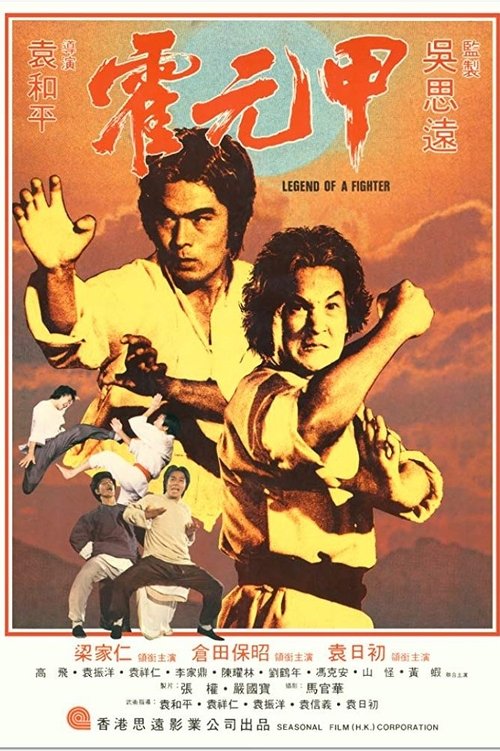
1982
No reviews yet. Be the first to share your thoughts on this movie!
Use the rating form above to leave a star rating and optional review.