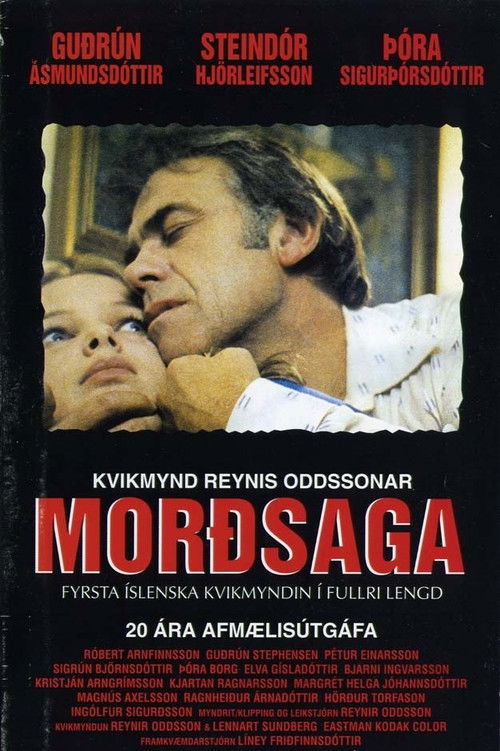
Story of a Murder
1977
No user ratings available yet
Representation score: 4.2 out of 10
Representation Score
Fair
1966
Director
Arne Mattsson
Runtime
113 minutes
Average Rating
No ratings yetNew Showbiz Analysis
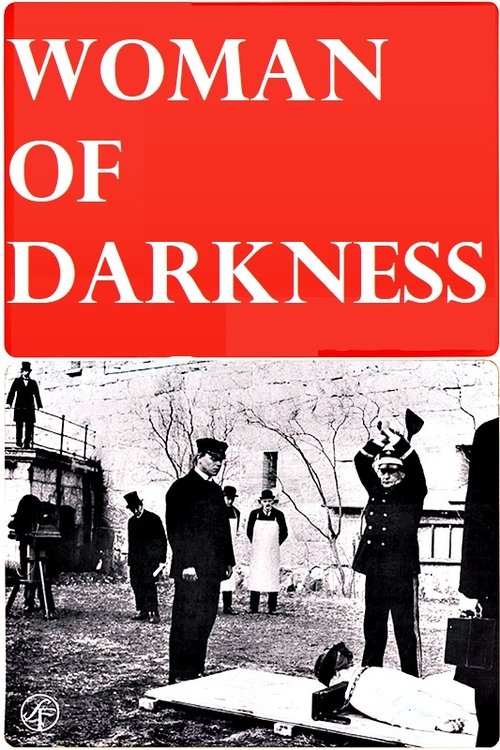
Woman of Darkness is a psychological thriller that challenges traditional domestic roles. By presenting a mother as a corrupting influence, it undermines the idealized family structure. However, the film’s scope is limited to a specific time and place, and it treats mental health primarily as a tool for suspense. It focuses more on individual psychological issues than broader societal critiques. Overall, the film provides a dark look at moral decay but doesn’t explore the multi-layered complexities found in more inclusive films.
Category Breakdown
The film doesn't explicitly include LGBTQ+ identities or relationships outside of traditional heterosexual norms. The incestuous relationship between Per and Anna is presented as a psychological issue rather than a reflection of diverse sexual orientations.
Anna Månsdotter challenges the nurturing mother stereotype by being a dominant and manipulative figure. However, the film still leans on the 'femme fatale' archetype to define its female characters.
The cast is entirely made up of people from the same ethnic background, set in 1889 rural Sweden. There is no ethnic diversity in the film.
The film questions the idea of a perfect family by focusing on internal corruption and psychological issues. It doesn’t explore broader societal or institutional factors affecting families.
Themes of madness and delusions contribute to the suspenseful atmosphere. These psychological conditions are used as tools for creating tension rather than offering nuanced views on mental health.
Present on Screen
Limited or Absent
Official Synopsis
Sweden 1889. The young Per Nilsson has a very dominant mother, Anna Månsdotter. His father died many years ago and he and his mother have for a long time been in a incestuous relationship. But Per marries Hanna for the sake of her money and Anna is mean and evil towards her, and Per refuses to have sex with her. She starts to suspect that something is going on between her husband and stepmother.
1977
1960

1981
1964
1955

1964
1996

2005
No reviews yet. Be the first to share your thoughts on this movie!
Use the rating form above to leave a star rating and optional review.