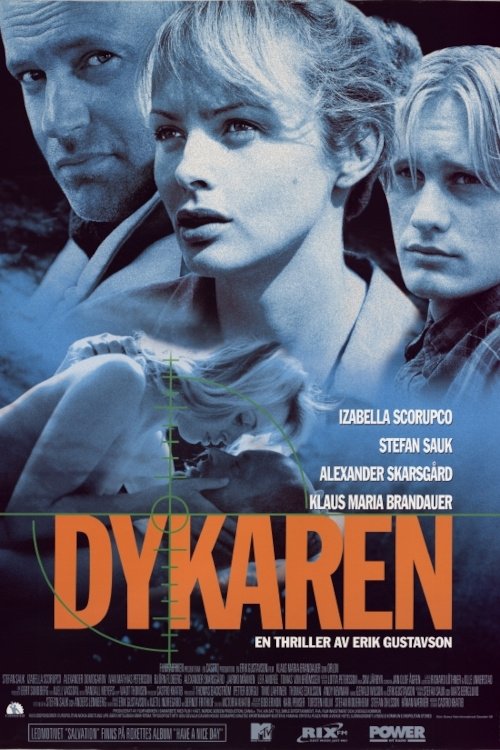
The Diver
2000
No user ratings available yet
Representation score: 4.8 out of 10

Representation Score
Fair
1999
RDirector
Andrew Piddington
Runtime
94 minutes
Average Rating
No ratings yetNew Showbiz Analysis
The Fall operates primarily as a character-driven thriller that adheres to established genre expectations. While it avoids some regressive clichés, it lacks the intentional depth required for a higher progressive score. The film grants female characters physical ability to act, particularly through Marta's self-defense. However, the narrative remains centered on conventional romantic and professional hierarchies. Ultimately, the film explores complex social landscapes without actively disrupting systemic structures or offering a radical critique of the status quo.
Category Breakdown
The film focuses on a traditional romantic relationship between Adam and Marta. It does not include explicit representations of non-binary genders or critiques of the assumption that everyone is straight or cisgender.
Marta challenges the damsel in distress cliché through her decisive and violent actions. However, the professional relationship between Lisa and Kovacs suggests traditional power dynamics.
The setting includes American expatriates and local Hungarians. The cast does not indicate a non-white or non-Anglo-Saxon majority within the narrative.
The story examines the tension between Western capitalism and post-Communist structures. It focuses on individual survival rather than a systemic critique of institutions.
There are no visible or invisible disabilities portrayed as central to the character arcs or plot progression.
Present on Screen
Limited or Absent
Official Synopsis
In Budapest, two Americans live together. Adam, a former Manhattan prosecutor at work on his first novel, and Lisa, a cool hard-working financier who idolizes her boss (former Communist turned deal maker, Kovacs) as she tires of Adam's lifestyle. Cut to the subway, where two tough guys are pursuing Marta, a blond waif. She manages to surprise one of them in a hallway, dispatching him with a straight razor, and she barges into Adam's apartment to elude the other. She tells Adam why she is running, a story that implicates Kovacs, and she seeks Adam's help and affection. He takes her side, and slowly Lisa, Adam, Kovacs, Marta, and her pursuer draw toward a showdown.
2000

2007

1998

1990

2005

2010

1992

1989
No reviews yet. Be the first to share your thoughts on this movie!
Use the rating form above to leave a star rating and optional review.