Strait
1973
No user ratings available yet
Representation score: 3.1 out of 10
Representation Score
Fair
1992
RDirector
Deran Sarafian
Runtime
87 minutes
Average Rating
No ratings yetNew Showbiz Analysis
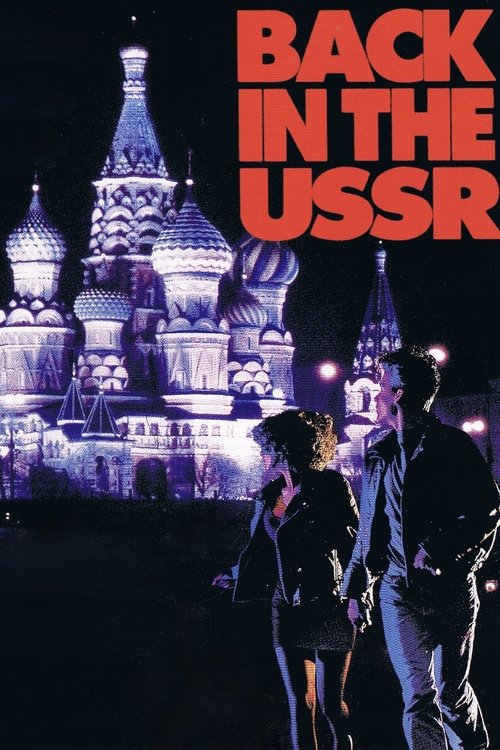
Back in the USSR functions as a postmodern critique of a collapsing superpower. It uses the era of Glasnost and Perestroika to deconstruct the perceived stability of Soviet institutions through a lens of satirical relativism. The film's strength lies in its anti-authoritarian themes. By framing the breakdown of bureaucracy as a chaotic transition, it explores the tension between collectivist tradition and Western individualism. However, the work is limited in its diversity. While it offers a sophisticated cultural critique, it fails to engage with significant demographic diversity regarding race, disability, or LGBTQ+ identities.
Category Breakdown
The film does not include any LGBTQ+ characters or narratives. The focus is on the conflict between American and Soviet citizens, with no space for queer-coded subtext.
A seductive Russian thief provides some ability to act, subverting passive female roles. However, she remains tied to the conventional femme fatale stereotype typical of 1990s thrillers.
Casting is primarily homogeneous, reflecting the Moscow setting. The film emphasizes nationality and political identity rather than exploring racial or ethnic diversity.
The film excels at deconstructing Western and Eastern institutional power. It portrays the Soviet state as a crumbling bureaucracy, highlighting individual ability to act over institutional stability.
There is no evidence of visible or invisible disabilities integrated into character arcs. Characters are defined by political or criminal roles rather than neurodivergence or physical disability.
Present on Screen
Limited or Absent
Official Synopsis
A vacationing American and a sultry Russian thief lead police and smugglers on a deadly chase through Moscow.
1973
2009
1989
1985

1988
1983
1992
1985
No reviews yet. Be the first to share your thoughts on this movie!
Use the rating form above to leave a star rating and optional review.