No
2012
No user ratings available yet
Diversity score: 5.7 out of 10
2013
Director
Ibrahim El Batout
Runtime
96 minutes
Average Rating
No ratings yetSynopsis
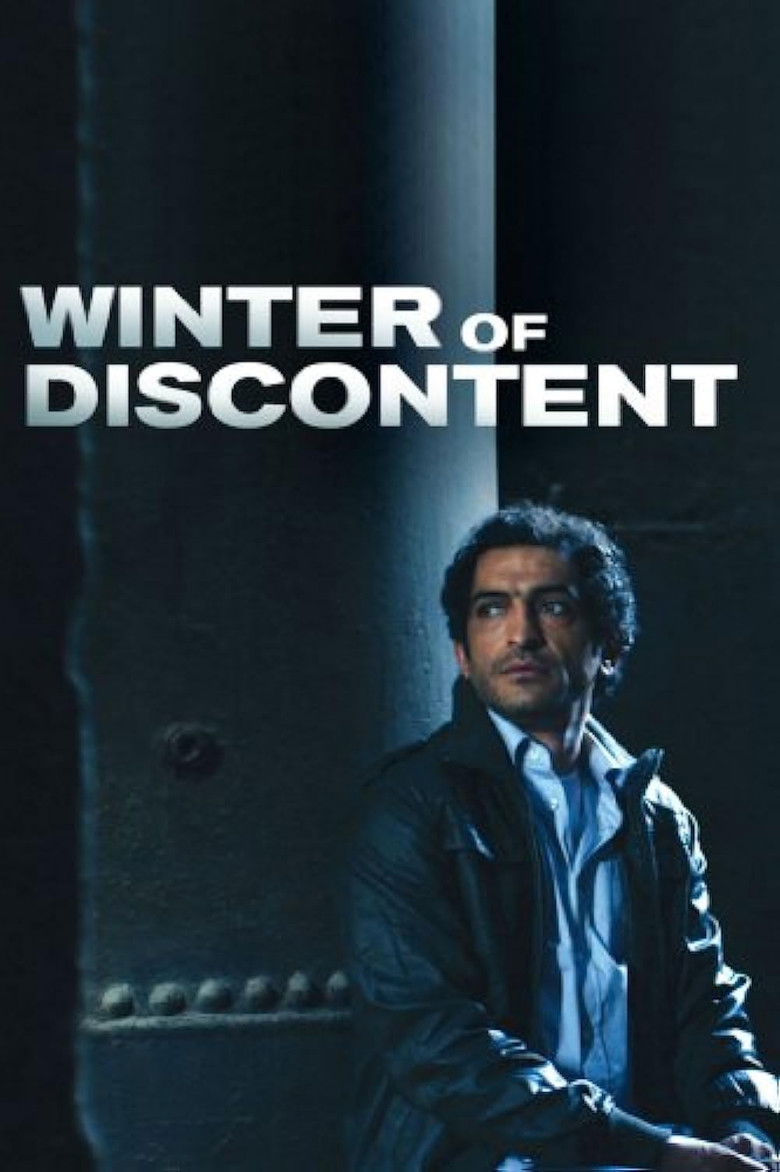
Amr is a 35 year old man who wakes up one day to a very different Egypt. Amr rarely leaves home as he works from his place designing software. It is January 25, 2011 and Amr starts the day with news of protests all over Cairo and marches leading to Tahrir square. Something tells him that these protests will lead to major political change. Farah, a woman in her early 30’s, is a news anchor on Egyptian television. The news Farah gives her audience is very different from the news presented online or on international news channels.
Overall Score
Good
Category Breakdown
LGBTQ+ Representation
The film explores the disruption of established social orders and questions state-mandated realities. However, it lacks explicit depictions of specific queer identities or relationships.
Gender Representation
Farah is a professional woman with significant agency in a high-stakes media role. The story moves beyond domestic tropes by centering her within the national discourse.
Racial & Ethnic Diversity
The film provides a localized, non-Western perspective on a global historical event. It centers the Egyptian experience and challenges the Western-centric gaze of Middle Eastern politics.
Religious & Cultural Diversity
The narrative engages deeply with systemic critique and institutional corruption. It prioritizes the deconstruction of state-controlled information and challenges established power hierarchies.
Disability Representation
There is no evidence regarding the portrayal of physical or neurodivergent disabilities in the narrative.
Strengths
Areas for Improvement
AI Analysis
Winter of Discontent offers a sophisticated study of systemic transition during the 2011 Egyptian protests. By juxtaposing a software designer's isolated experience with a news anchor's mediated reality, the film effectively interrogates the fragmentation of truth during political upheaval. The work excels at providing a localized perspective that avoids a Western-centric lens. It uses personal narratives to challenge institutional hierarchies and the control of information by state-sanctioned media. While the film provides strong cultural and racial agency, it lacks specific evidence regarding LGBTQ+ identities or disability representation. The focus remains primarily on the friction between grassroots reality and state narratives.
2012

2022

2022
2005
2012
2017

2016

2013
2022

2003
No reviews yet. Be the first to share your thoughts on this movie!
Use the rating form above to leave a star rating and optional review.