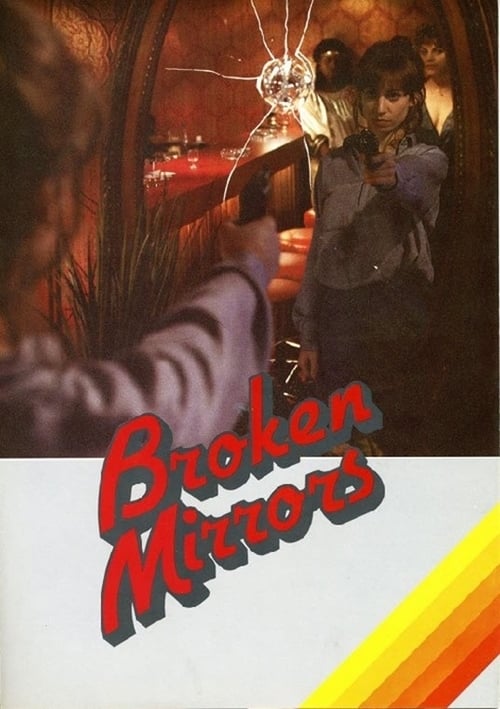
Broken Mirrors
1984
No user ratings available yet
Representation score: 6.0 out of 10

Representation Score
Limited
1987
Director
Gerrit van Elst
Runtime
102 minutes
Average Rating
No ratings yetNew Showbiz Analysis
Blonde Dolly serves as a gritty social realist drama that highlights female independence within a underrepresented economic environment. Her involvement in a high-stakes art deal showcases rare financial decision-making for a female protagonist in this genre. However, the film lacks depth in addressing multiple aspects of identity. It stays within a traditional Western socio-economic framework, offering minimal racial or LGBTQ+ representation. The narrative focuses primarily on crime thriller elements rather than broader social diversity. Ultimately, the film's strength lies in its critique of urban institutions, but it falls short in challenging traditional views on race or sexual identity.
Category Breakdown
The film does not include any explicit LGBTQ+ relationships or characters with non-traditional gender identities. The red-light district setting hints at diverse sexual experiences, but there are no specific LGBTQ+ character stories.
Dolly shows significant control over her finances by co-financing a costly art piece. However, her return to sex work indicates that her independence is still constrained by economic pressures.
The story unfolds within a traditional Western context focused on European art. There is no indication of racial diversity or non-white actors in the provided plot.
The film critiques urban decay and systemic failures in the red-light district. It uses the fake Vermeer painting to explore moral relativism.
There is no mention of characters with visible or invisible disabilities in the narrative.
Present on Screen
Limited or Absent
Official Synopsis
Prostitute Dolly co-finances the purchase of a Vermeer painting with art expert Eddy Cremer. When they find out the painting is fake, she returns to the red light district, where conditions have worsened over time.
1984
1964

2019
1979
1980

1982
1971
1986
No reviews yet. Be the first to share your thoughts on this movie!
Use the rating form above to leave a star rating and optional review.