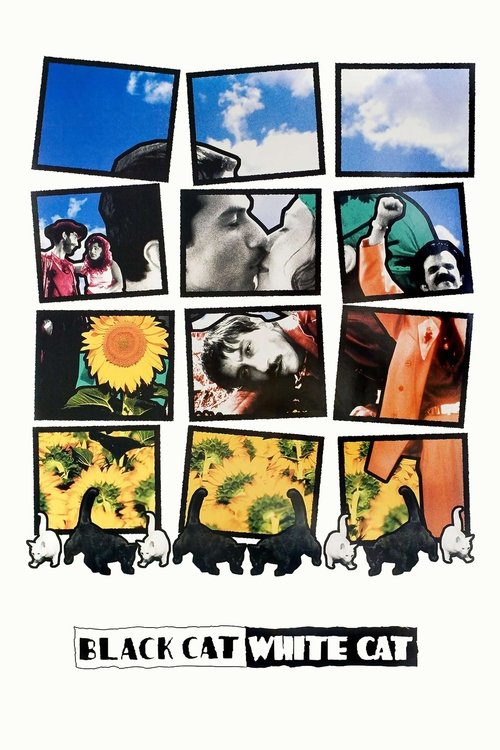
Black Cat, White Cat
1998
No user ratings available yet
Representation score: 4.5 out of 10
Representation Score
Fair
2007
Director
Emir Kusturica
Runtime
123 minutes
Average Rating
No ratings yetNew Showbiz Analysis
Emir Kusturica’s work offers a refreshing departure from Anglo-centric storytelling by focusing on Balkan identity and communal chaos. The film effectively challenges traditional notions of heroism and legal order, replacing them with organic, though dysfunctional, kinship bonds. However, the film remains confined to traditional patriarchal structures. The central plot is driven by a male-centric mission, and the romantic elements adhere strictly to heterosexual patterns, limiting space for diverse identity expressions.
Category Breakdown
The story focuses on heterosexual relationships, with the protagonist's goal being to find a wife to fulfill a patriarchal testament. There are no queer narratives present.
Gender roles are portrayed through traditional protector roles. Women face systemic exploitation from crime, while the plot is driven by a male-centric mission and patriarchal expectations.
The film highlights specific regional and ethnic identities, avoiding a globalized, multi-ethnic cast. Instead, it presents a deeply localized, non-Western, and rural perspective.
The film disrupts Western institutional values by prioritizing communal rituals and local social codes over formal laws and capitalist structures.
There is no focus on characters with physical or neurodivergent disabilities in the narrative.
Present on Screen
Limited or Absent
Official Synopsis
An old man named Zivojin Markovic, living in a remote village prays for his grandson Cane to go to the city, sell his cow and bring back a wife. In the city he is supposed to meet up with his grandfather's stepbrother, but this man is dead. Instead, he meets this man's two grandsons, two good-natured brothers who are nevertheless small-time criminals and experts in demolition. Cane soon clicks with these men, and also falls in love with a schoolgirl (Jasna), who he wants to marry as part of his testament with his grandfather. He gets involved in this girl's family affairs, rescuing both her and her mother from prostitution and gangsters headed by a man called Bajo, and the new group of people return to the small village in time to celebrate Zivojin's wedding to his neighbor, despite the gangsters' best efforts to stop the celebration, which results in a double wedding.
1998
2004

2008

2009
2026
2010
1965

1977
No reviews yet. Be the first to share your thoughts on this movie!
Use the rating form above to leave a star rating and optional review.