
Andrea and Marie
1998
No user ratings available yet
Representation score: 2.3 out of 10
Representation Score
Good
2008
Director
Joyce Buñuel
Runtime
0 minutes
Average Rating
No ratings yetNew Showbiz Analysis
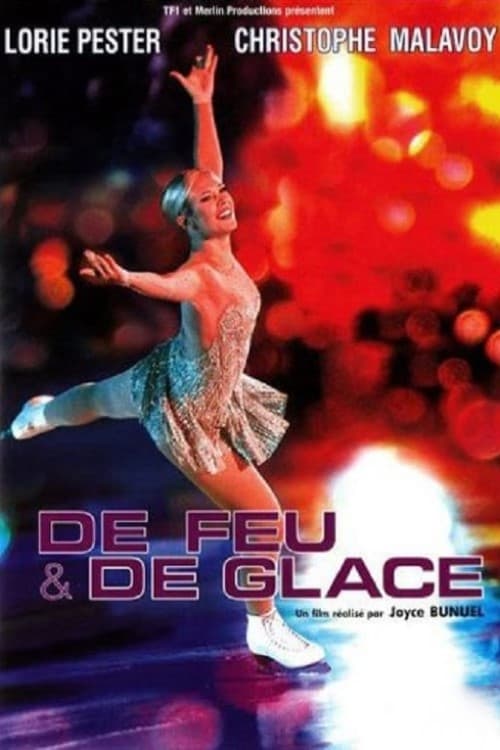
De feu et de glace is a nuanced character study that prioritizes psychological deconstruction over traditional triumph. It succeeds in portraying the messy reality of female frustration and the profound identity crisis caused by physical disability. However, the film lacks multi-layered breadth. The narrative remains localized within Eurocentric social circles and offers no explicit visibility for LGBTQ+ identities or diverse racial casting. Ultimately, the film's strength lies in its empathetic, non-judgmental approach to character dysfunction and its critique of high-pressure societal structures.
Category Breakdown
The film does not explicitly depict LGBTQ+ identities or same-sex relationships. The story focuses on the protagonist's internal struggles and her relationship with a male coach.
The story challenges traditional gender roles by centering on a female protagonist facing career collapse. It explores her unpolished frustration rather than typical resilience clichés.
The setting is confined to French championships and Parisian social circles. The protagonist's surname hints at Mediterranean heritage, but there is no indication of a multi-ethnic cast.
The film critiques institutional and familial structures through the protagonist's rebellion. It emphasizes subjective experience over traditional moral structures and societal expectations of achievement.
The narrative treats a career-ending injury as a catalyst for identity crisis. It avoids 'inspiration porn' by focusing on the psychological impact of physical limitation.
Present on Screen
Limited or Absent
Official Synopsis
Alexia Moreno is a young promising figure skater. While participating in the French championship, she does a triple Axel and lands badly, breaking her Achilles' heel. Her career ends suddenly and all her dreams vanish. After a life full of effort and sacrifice, Alexia loses herself in the Parisian nightlife to forget her failure and make up for the frustrations of her strict upbringing. Until the day when she meets Jacques Rocaille, a second class coach who still believes in her. She now finds herself confronted to a choice: go back to her hard life of training and risk failing and becoming the media's laughing stock or continue losing herself in a life devoid of meaning.
1998

2023
2012

2009

2012
2011

2020
2011
No reviews yet. Be the first to share your thoughts on this movie!
Use the rating form above to leave a star rating and optional review.