
Alita: Battle Angel
2019
No user ratings available yet
Representation score: 8.4 out of 10
Representation Score
Limited
2020
PG-13Director
David S. F. Wilson
Runtime
110 minutes
Average Rating
No ratings yetNew Showbiz Analysis
Bloodshot follows a conventional action-thriller structure that relies heavily on established heroic clichés. The narrative is driven by a male-centric quest for vengeance, which limits the scope of its character dynamics. While the film explores themes of transhumanism and biotech ethics, these elements are used primarily to enhance the protagonist's combat abilities. This approach prioritizes spectacle over a nuanced exploration of identity or social hierarchy. Ultimately, the film lacks significant representation across most diversity metrics. It functions as a standard genre piece where character motivations and power dynamics remain rooted in traditional, Western-centric archetypes.
Category Breakdown
The story revolves around a traditional heterosexual relationship between Ray Garrison and his wife. There are no characters with non-binary gender identities or narratives that challenge traditional relationships.
The film centers on a male protagonist who is defined by his physical strength and combat skills. His wife's death serves mainly as a motivator rather than an independent character.
The narrative focuses on a military and scientific conspiracy but does not include a diverse cast. There are no characters of color or multi-layered complexity in prominent roles.
Themes of systemic corruption and biotech ethics offer some depth. However, the main motivation of personal revenge aligns with traditional Western ideas of individual justice.
The protagonist's transformation using nanotechnology touches on themes of bodily autonomy and neurodivergence. However, these elements are framed through combat utility rather than a realistic portrayal of disability.
Present on Screen
Limited or Absent
Official Synopsis
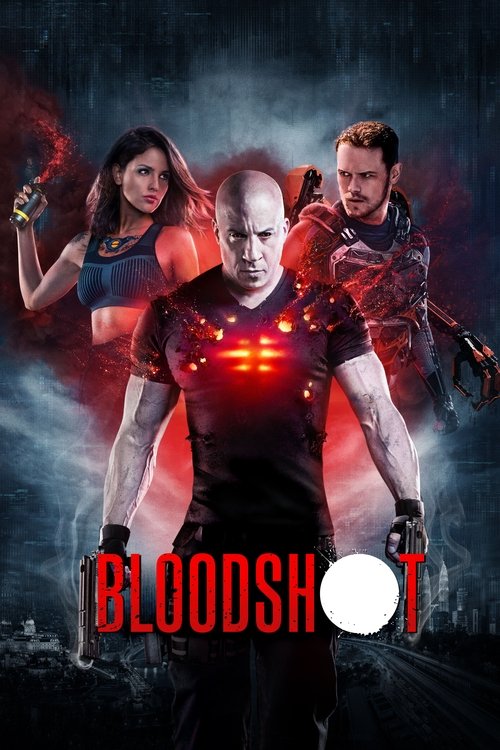
After he and his wife are murdered, marine Ray Garrison is resurrected by a team of scientists. Enhanced with nanotechnology, he becomes a superhuman, biotech killing machine—'Bloodshot'. As Ray first trains with fellow super-soldiers, he cannot recall anything from his former life. But when his memories flood back and he remembers the man that killed both him and his wife, he breaks out of the facility to get revenge, only to discover that there's more to the conspiracy than he thought.
2019

2012

2008
2010
2021

2017

2013

2020
No reviews yet. Be the first to share your thoughts on this movie!
Use the rating form above to leave a star rating and optional review.