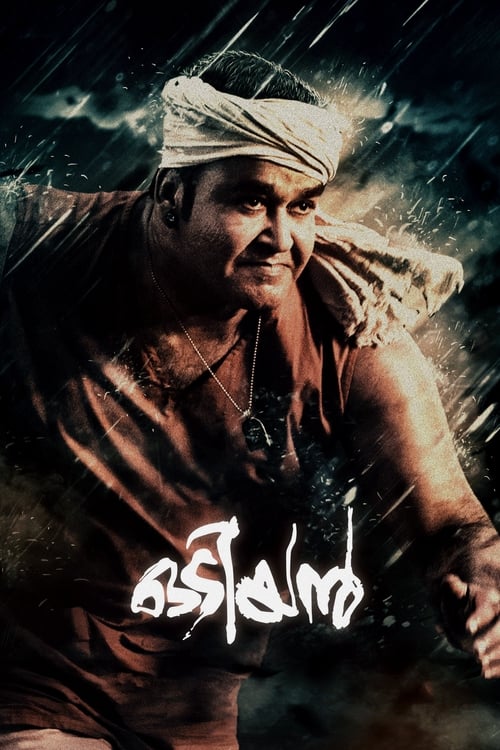
Odiyan
2018
No user ratings available yet
Diversity score: 3.9 out of 10
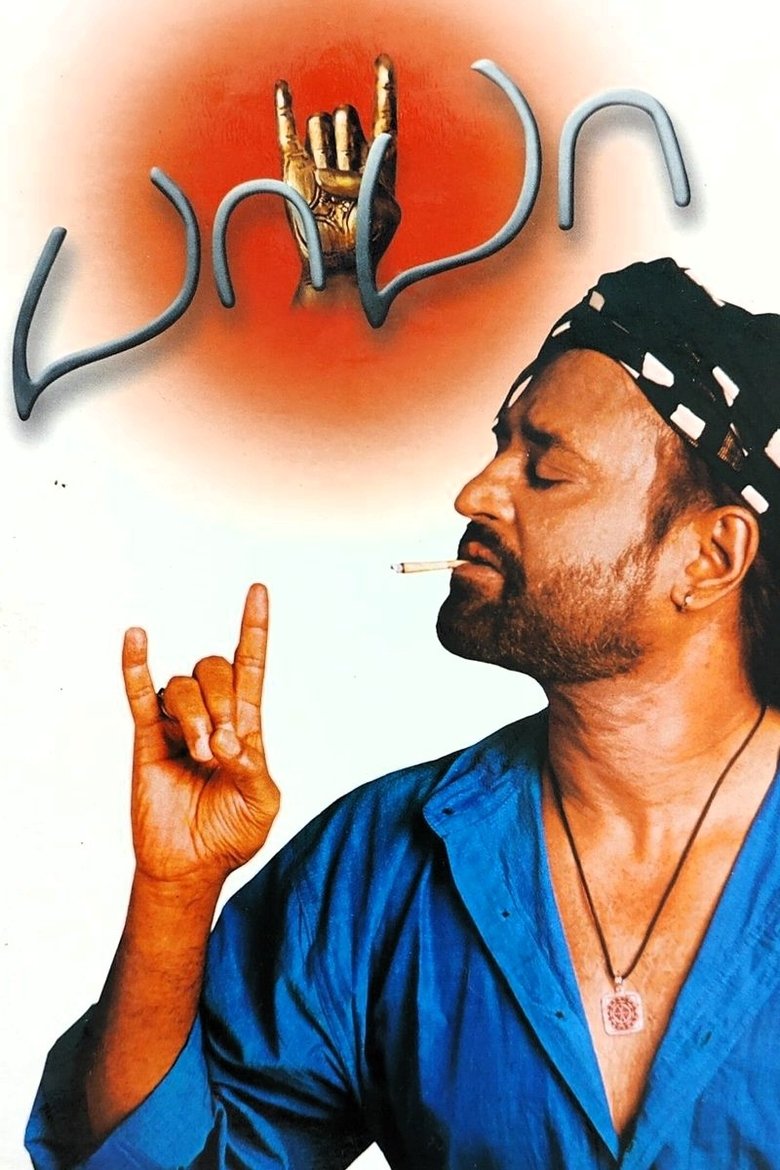
2002
Not RatedDirector
Suresh Krissna
Runtime
160 minutes
Average Rating
No ratings yetSynopsis
Baba is an atheist who always questions the existence of a higher power. But when a turn of events bestows him with divine powers, he uses the opportunity to help other people.
Overall Score
Fair
Category Breakdown
LGBTQ+ Representation
The film operates within a conventional heteronormative framework. There is no significant presence of queer narratives or non-cisnormative identities within the plot.
Gender Representation
The story is heavily centered on the male protagonist's journey and divine agency. Female characters occupy traditional roles that support the hero rather than driving the plot independently.
Racial & Ethnic Diversity
As a Tamil-language production, the film offers a robust representation of South Indian regional identity. It provides a non-Western perspective on heroism and spirituality.
Religious & Cultural Diversity
The narrative disrupts religious hierarchies by centering an atheist protagonist. It explores spirituality through individual agency and social utility rather than through dogmatic institutionalized religion.
Disability Representation
There is no evidence of characters navigating visible or invisible disabilities as central drivers of the story.
Strengths
Areas for Improvement
AI Analysis
Baba is a culturally specific drama that finds its strength in philosophical inquiry. By centering an atheist protagonist who eventually acquires divine powers, the film moves away from standard devotional tropes to explore subjective morality and secular questioning. However, the film remains tethered to the traditional cinematic structures of its era. It relies on a masculine-centric narrative and heteronormative social dynamics, which limits its breadth regarding gender and LGBTQ+ representation. Ultimately, the film serves as a notable example of how regional cinema can use genre to deconstruct religious authority, even while maintaining conventional character archetypes.
No reviews yet. Be the first to share your thoughts on this movie!
Use the rating form above to leave a star rating and optional review.