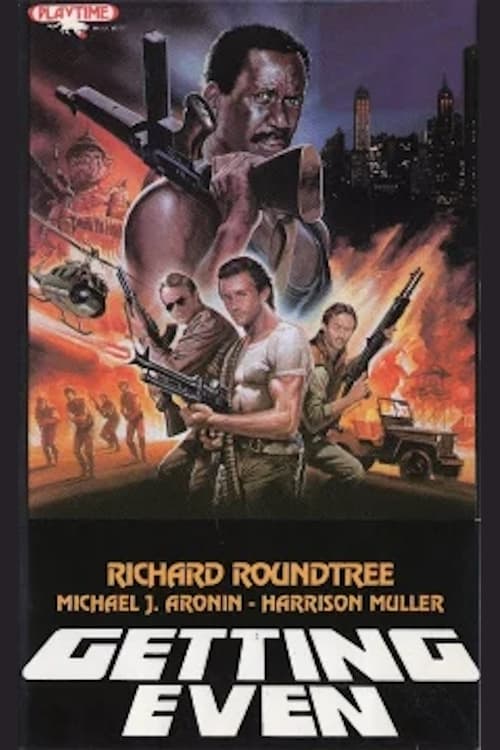
Getting Even
1988
No user ratings available yet
Representation score: 3.3 out of 10
Representation Score
Limited
1971
RDirector
Joel M. Reed
Runtime
86 minutes
Average Rating
No ratings yetNew Showbiz Analysis
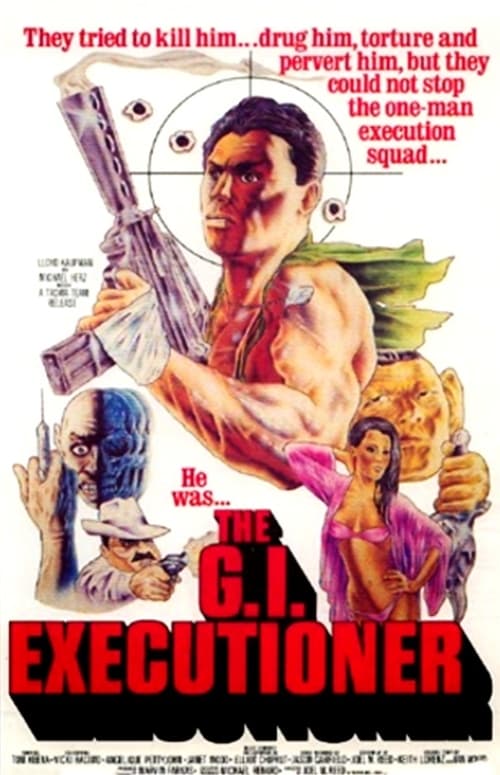
The G.I. Executioner explores standard 1971 Cold War action clichés. Its narrative structure centers on traditional masculine roles and individualistic heroism, offering little in the way of diverse complexity. While the Singaporean setting provides a backdrop for ethnic diversity, the film appears rooted in Western geopolitical frameworks. It lacks evidence of challenging established social hierarchies or the era's cinematic standards. Ultimately, the film reflects the genre conventions of its time, prioritizing espionage and crime plots over diverse or subversive character studies.
Category Breakdown
The film lacks LGBTQ+ characters or narratives, sticking to traditional masculine roles typical of 1970s action movies.
The story focuses on a male journalist who was previously a soldier, emphasizing traditional masculine roles common in the action genre of that time.
Set in Singapore, it is unclear if the film challenges Western-centric norms. It may rely on colonial-era narrative clichés.
The plot highlights individualistic heroism within Western geopolitical contexts. It lacks anti-Western critiques, focusing instead on standard patriotic themes.
There is no mention of characters with visible or invisible disabilities. No information is available about the portrayal of neurodivergence or physical impairments.
Present on Screen
Limited or Absent
Official Synopsis
A Vietnam War veteran–turned–journalist in Singapore is pulled into a violent Cold War plot involving espionage, crime, and betrayal.
1988
1987
1966
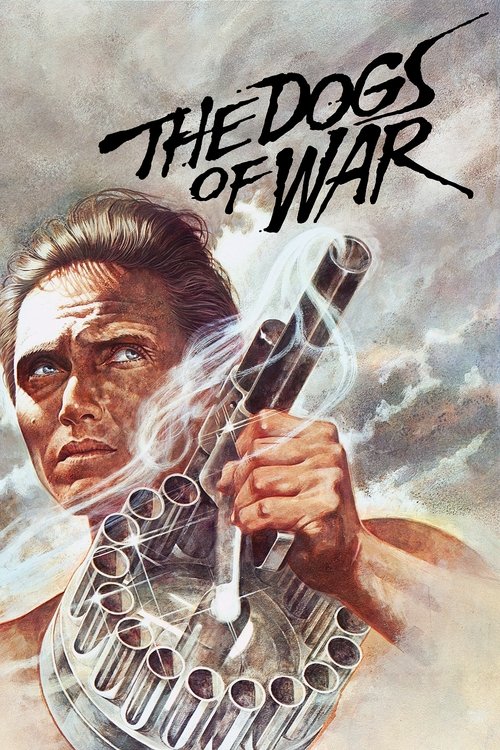
1980
1985
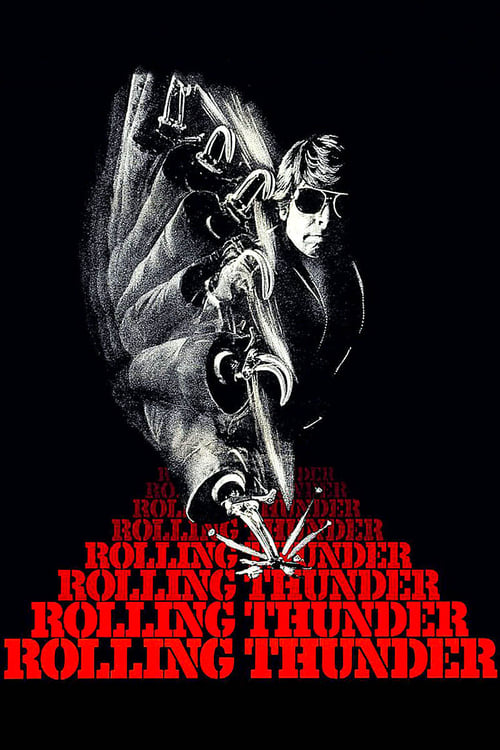
1977
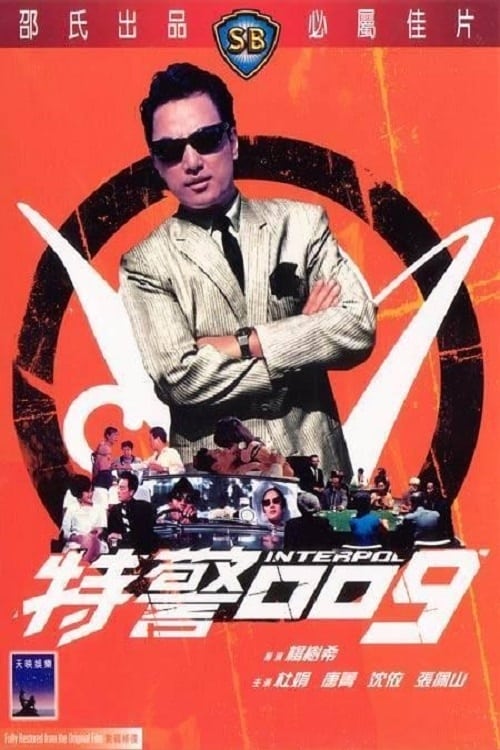
1967
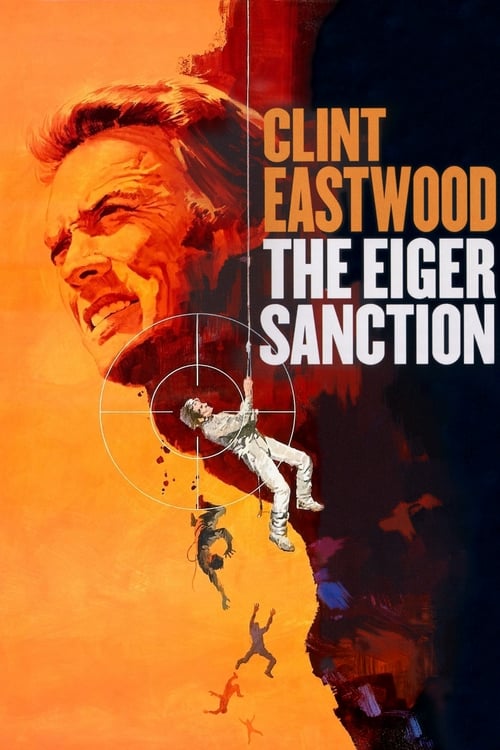
1975
No reviews yet. Be the first to share your thoughts on this movie!
Use the rating form above to leave a star rating and optional review.