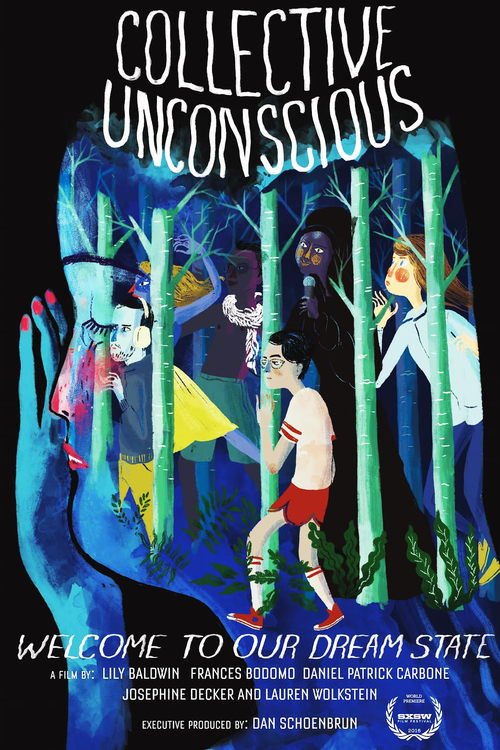
Collective: Unconscious
2016
No user ratings available yet
Representation score: 8.9 out of 10
Representation Score
Excellent
2018
Director
Jonathan Vinel, Bertrand Mandico, Yann Gonzalez, Caroline Poggi
Runtime
84 minutes
Average Rating
No ratings yetNew Showbiz Analysis
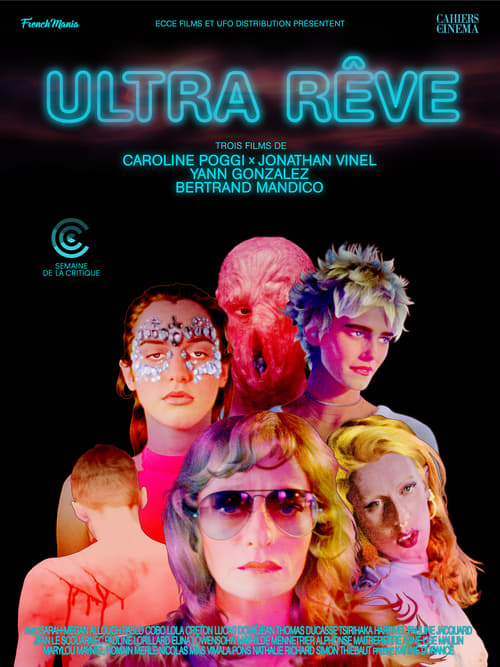
Ultra Rêve is a sophisticated experimental anthology that dismantles traditional narratives and social hierarchies. Using dream-logic and pop fantasy, the directors explore complex internal emotions. The work excels in challenging gender and romantic norms, favoring psychological flux over rigid social roles. However, the focus on the metaphysical and sensory experience limits explicit social representation. The emphasis on atmosphere leaves little room for clear depictions of racial the way different parts of someone's identity overlap or disability-based ability to act.
Category Breakdown
The anthology explores non-traditional forms of love and unconventional relationships. It replaces typical courtship with surreal, intimate scenarios.
The films challenge traditional gender roles by focusing on psychological states rather than social roles. They represent gender in a fluid, symbolic manner.
The films emphasize visual and atmospheric elements over direct social commentary on race. There is no clear indication of multiple racial identities intersecting.
The work challenges traditional cultural norms by emphasizing dream-based morality over structured societal values. It offers a fragmented, multi-sensory experience.
Nightmarish creatures offer spaces for non-standard bodies, but there is no clear evidence of characters with disabilities having real influence beyond stylization.
Present on Screen
Limited or Absent
Official Synopsis
Three short films, out of the ordinary, brought together under a bewitching and enticing title. They are After School Knife Fight by the duo Poggi/Vinel, Les Îles by Gonzales, and Ultra Pulpe by Mandico. Three atmospheres, three sensitivities, going through three forms of expression (music, theatre and cinema) and which, put end-to-end, create an alternative pathway towards borrowed worlds of romance first, then obsession, and in the end, possession. Worlds of soft naivety, of nightmarish creatures and of pop fantasy, reminding us of the mysterious and velvety snatches of our dreams that stick to the spirit when one leaves them.
2016
1974
2021

2008

2010

2012

2007
2015
No reviews yet. Be the first to share your thoughts on this movie!
Use the rating form above to leave a star rating and optional review.