
Bilitis
1977
No user ratings available yet
Representation score: 5.0 out of 10

Representation Score
Limited
1978
Director
Søren Kragh-Jacobsen
Runtime
95 minutes
Average Rating
No ratings yetNew Showbiz Analysis
Wanna See My Beautiful Navel? is a period-specific character study that emphasizes emotional realism over broader societal critique. It follows a traditional coming-of-age narrative, focusing on the growth of a shy adolescent in the late 1970s. The film is rooted in the social norms of its time, offering a subtle shift in gender roles through its female lead. However, it does not delve into the complexities of the way different parts of someone's identity overlap or challenge traditional hierarchies, which limits its scope for a higher rating. Overall, the film serves as a localized exploration of Nordic adolescence, capturing the sensory discoveries and emerging independence within a homogeneous environment.
Category Breakdown
The film centers on a heterosexual romance between Claus and Lene, with no representation of LGBTQ+ identities or critiques of heterosexuality.
Lene stands out as more assertive and proactive compared to Claus, shifting the balance of social influence away from the male protagonist and adding nuance to the gender dynamics.
The film depicts a homogenous Scandinavian setting with a cast that reflects a single cultural background, without any intentional inclusion of diverse ethnicities.
The story highlights secular themes and the journey to adulthood within a typical social context, emphasizing naturalistic development among young people.
There is no depiction of characters dealing with physical disabilities, neurodivergence, or mental health issues.
Present on Screen
Limited or Absent
Official Synopsis
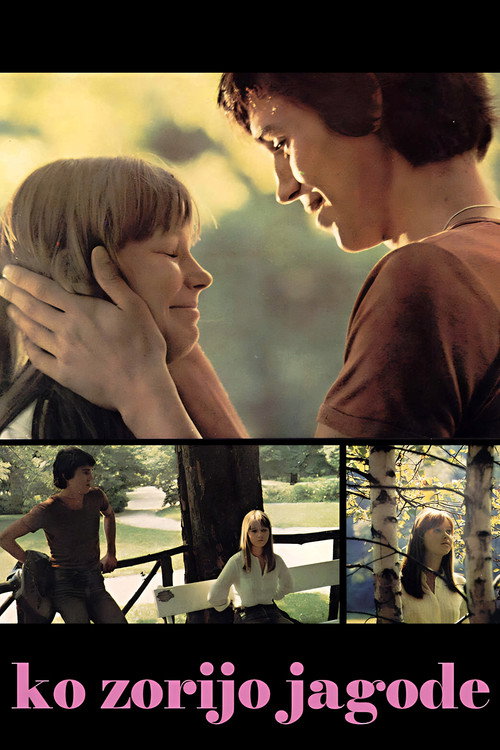
Coming of age, summer camp and first love... Shy 15-year-old Claus is in 8th grade and is going on a school camp in Sweden. His classmate Lene, who is braver and more outgoing than Claus, is also going on the trip. During the trip, Claus gets the opportunity to get to know Lene better and gets his first taste of what adult life has to offer.
1977

1970

1978

1931

1978

1999
1978
1980
No reviews yet. Be the first to share your thoughts on this movie!
Use the rating form above to leave a star rating and optional review.