
Archaon: The Halloween Summoning
2020
No user ratings available yet
Representation score: 4.5 out of 10
Representation Score
Limited
2014
Not RatedDirector
Jason Bognacki
Runtime
80 minutes
Average Rating
No ratings yetNew Showbiz Analysis
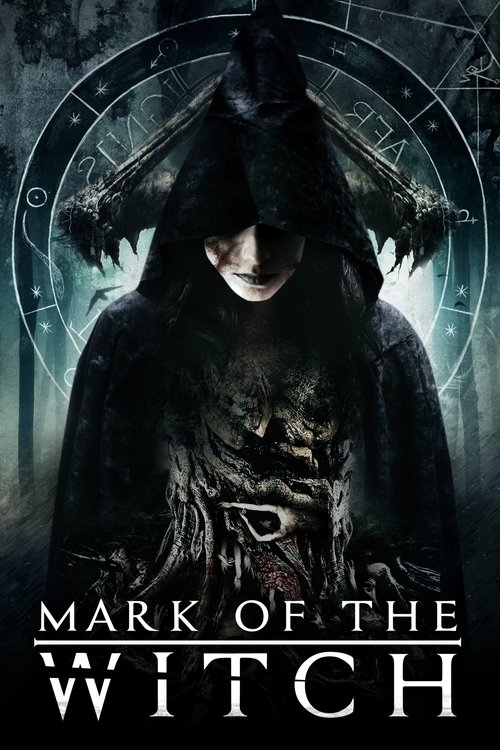
Mark of the Witch is a period piece that succeeds in its thematic subversion of historical power structures. By centering a female orphan against a backdrop of religious fervor, the film explores how institutional authority persecutes those outside social norms. However, the film's demographic scope is quite narrow. While it offers a sophisticated critique of colonial hegemony, it lacks depth in racial and LGBTQ+ representation. The production adheres closely to the homogeneous demographics of its 17th-century setting. Ultimately, the film is a study of individual ability to act versus institutional oppression.
Category Breakdown
The film does not feature any LGBTQ+ characters or narratives. It focuses on the broader social dynamics of the 17th century rather than queer identities.
The story centers on a female protagonist discovering her occult lineage. It challenges patriarchal hierarchies by positioning her role against restrictive religious structures.
Set in 17th-century New England, the film appears to follow historical demographic constraints. There is no evidence of significant racial blending or color-blind casting.
The narrative critiques puritanical religious structures as sources of oppression. It frames the 'witch' as a victim of institutional hysteria and communal vigilantism.
There is no evidence of characters with visible or invisible disabilities. No such characters appear to be used as narrative devices.
Present on Screen
Limited or Absent
Official Synopsis
A young orphan discovers her occult lineage and the curse she is destined to fulfill.
2020
2016
2021
2017
2012
2010

2013
2012
No reviews yet. Be the first to share your thoughts on this movie!
Use the rating form above to leave a star rating and optional review.