Escape
2024
No user ratings available yet
Representation score: 5.5 out of 10
Representation Score
Fair
2001
Director
Bae Chang-ho
Runtime
106 minutes
Average Rating
No ratings yetNew Showbiz Analysis
The film stands out by offering a non-Western perspective, emphasizing the internal complexities of the Korean Peninsula. By focusing on the personal histories of North Korean prisoners of war, it challenges monolithic national narratives through a humanistic lens. However, the film operates within traditional structures. The narrative is largely driven by male characters, and the romantic elements follow standard heterosexual patterns, limiting its ability to disrupt social hierarchies. Overall, the work provides significant cultural depth by exploring historical trauma and individual morality, even while adhering to conventional gender and sexual representations.
Category Breakdown
The film focuses on a heterosexual relationship between a nun and her boyfriend, and does not include any visible non-binary or LGBTQ+ identities. It adheres to traditional heterosexual norms.
Female characters, especially the nun, play a key role in uncovering historical truths. However, the main investigative authority is held by a male protagonist, reinforcing conventional gender roles.
The cast is predominantly East Asian, avoiding a Western-centric focus. The film delves into the intricate political dynamics of the North-South Korean divide, which serves as a central narrative element.
The story examines religious devotion and the impact of the Korean War. It challenges state-approved history by highlighting the lived experiences of individuals who have been sidelined.
There is no indication of the portrayal of physical or neurodivergent disabilities in the film.
Present on Screen
Limited or Absent
Official Synopsis
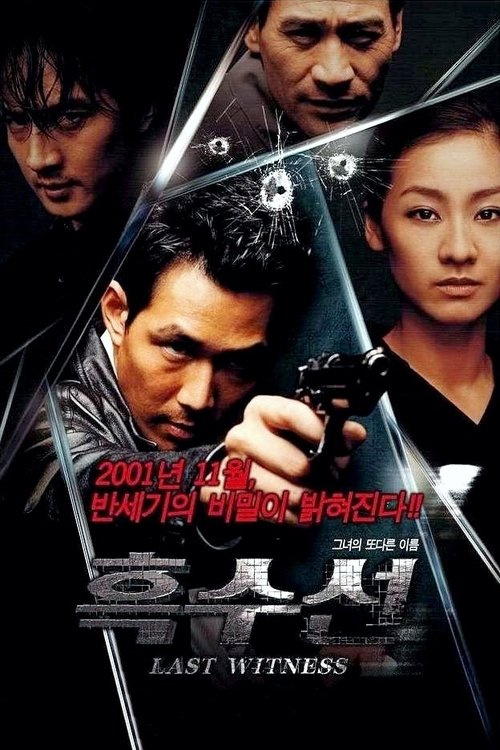
Based on a true story and a legendary Korean novel, this movie follows Detective Oh (superstar Lee Jung Jae) and his investigation into the mysterious murder of a North Korean. His investigation leads him to a diary, which was written by a nun who - along with her boyfriend - helped lead the escape of North Korean POWs held captive during the Korean War. Detective Oh eventually becomes emotionally involved with the case and pursues the writer of the diary and her long-lost boyfriend, hoping to crack the case and learn more about the story of the POWs.
2024

2013
1976
2003
2000
2011

2002

2020
No reviews yet. Be the first to share your thoughts on this movie!
Use the rating form above to leave a star rating and optional review.