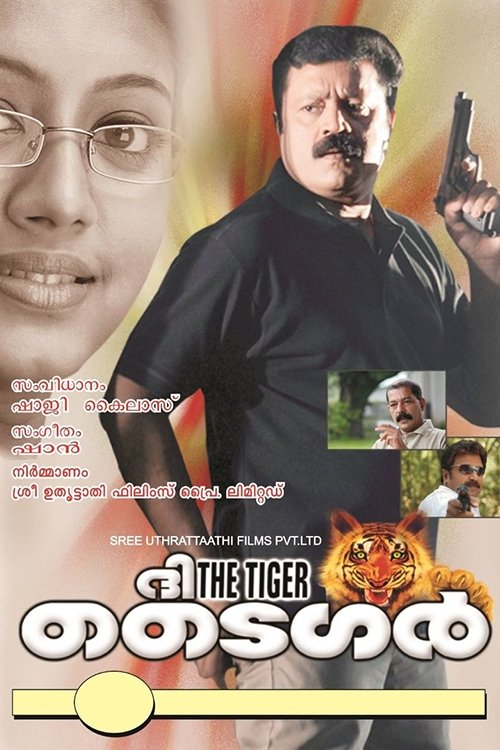
The Tiger
2005
No user ratings available yet
Representation score: 4.2 out of 10

Representation Score
Limited
1999
Not RatedDirector
Shaji Kailas
Runtime
167 minutes
Average Rating
No ratings yetNew Showbiz Analysis
F.I.R. is a fast-paced political thriller that emphasizes criticism of systems rather than diversity. Its strength lies in its localized, anti-establishment viewpoint, critiquing state institutions through a South Indian lens. However, the film heavily relies on traditional character types, leading to a lack of gender and LGBTQ+ diversity. The story revolves around male-dominated power structures, limiting space for varied identities and perspectives.
Category Breakdown
The film does not include any LGBTQ+ characters or stories. It stays within traditional assumptions about straight relationships.
Women are shown mainly in supporting or domestic roles, while men dominate the political and bureaucratic spheres of the story.
The movie presents a local South Indian perspective focused on Kerala. The cast is ethnically consistent with a localized setting, avoiding a Western focus.
The story sharply criticizes political institutions and systemic corruption. It portrays the state as compromised rather than a positive influence.
There are no characters with disabilities featured as central to the story or having specific roles.
Present on Screen
Limited or Absent
Official Synopsis
A young journalist gets killed upon following the illegal activities of a corrupt politician. Police officer Mohammed Sarkar and his team set out to find the dark secrets behind the murder.
2005
2018
2012
1998
2004

2022
2013

1987
No reviews yet. Be the first to share your thoughts on this movie!
Use the rating form above to leave a star rating and optional review.