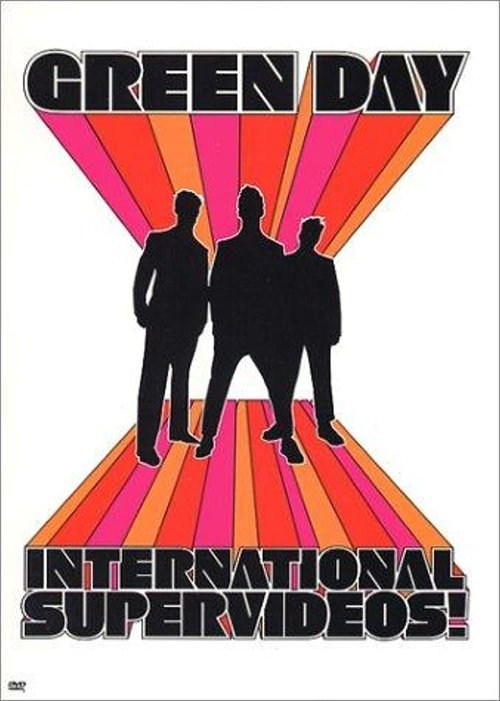
Green Day: International Supervideos!
2001
No user ratings available yet
Representation score: 7.3 out of 10
Representation Score
Fair
2004
Runtime
104 minutes
Average Rating
No ratings yetNew Showbiz Analysis
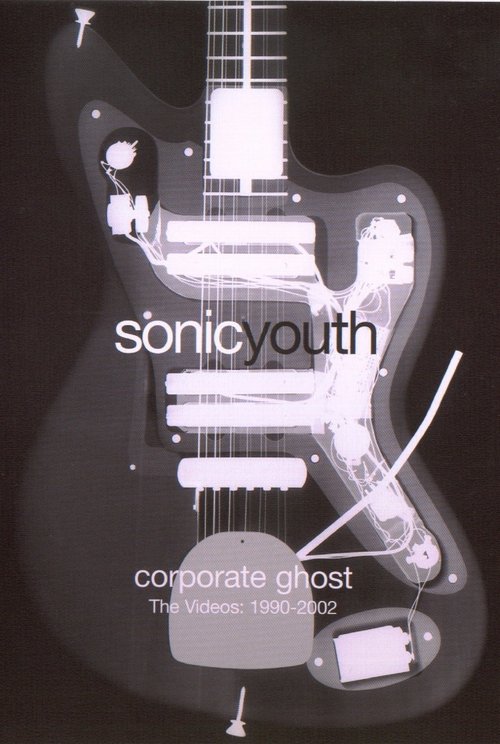
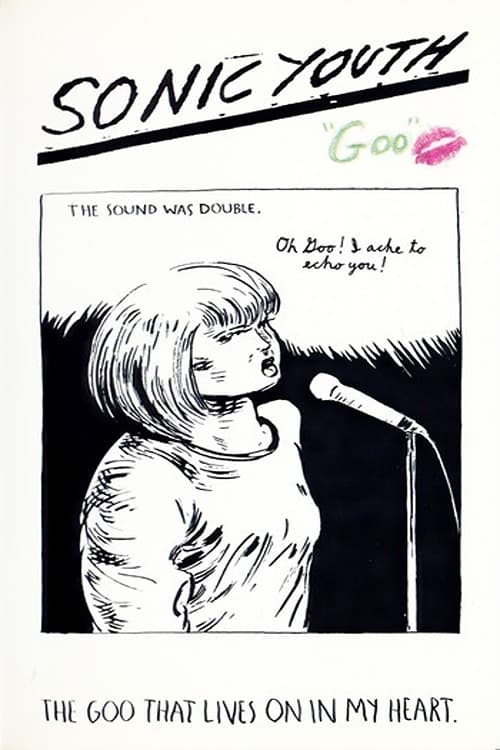
Sonic Youth: Corporate Ghost serves as a visual archive of the 1990s alternative scene, defined by its disruption of mainstream norms. Its strength lies in a high-profile directorial team that favors postmodern, non-conformist identities over traditional storytelling. While the collection effectively challenges gender and institutional hierarchies, it remains limited by the era's homogeneous indie aesthetic. The lack of explicit narrative ability to act prevents higher scores in racial and disability representation. Ultimately, the work is a study in aesthetic rebellion, prioritizing subjective morality and the deconstruction of conventional Western media structures.
Category Breakdown
The collection uses 1990s underground aesthetics to explore non-traditional gender expressions. Directors like Todd Haynes contribute to a visual style that engages with queer aesthetics and challenges familiar patterns related to straight relationships.
Visuals challenge traditional hierarchies through avant-garde styling. Female presence is often framed through intellectual or artistic contributions rather than submissive or domestic roles.
The aesthetic leans towards a homogeneous look typical of the 1990s indie scene. The compilation does not prioritize a multi-ethnic cast as a central theme.
The work excels in depicting anti-establishment sentiment and postmodern skepticism. It frames the outsider perspective as a position of cultural importance and artistic rebellion.
The compilation nature of the work provides insufficient evidence to determine a pattern of representation regarding physical or neurodivergent disabilities.
Present on Screen
Limited or Absent
Official Synopsis
A compilation of 24 music videos by Sonic Youth ranging from 1990 to 2002. Collaborators include Harmony Korine, Spike Jonze, Todd Haynes, Mark Romanek, Richard Kern, and more.
2001
2021
1998
2021
1991
2002
2004

2005
No reviews yet. Be the first to share your thoughts on this movie!
Use the rating form above to leave a star rating and optional review.