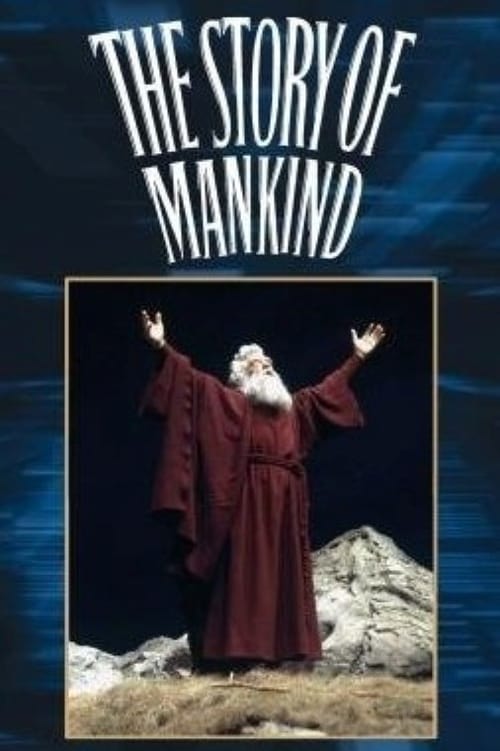
The Story of Mankind
1957
No user ratings available yet
Diversity score: 2.4 out of 10

2012
Director
Jevgēņijs Paškēvičs
Runtime
122 minutes
Average Rating
No ratings yetSynopsis
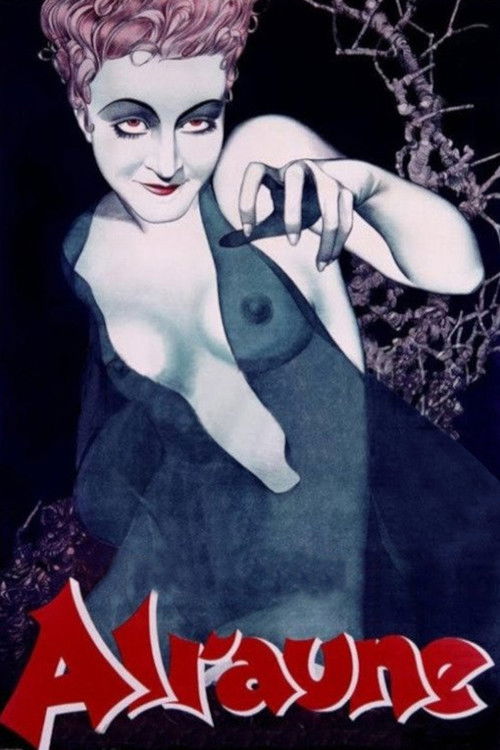
Adam’s first wife Lilith is mentioned in the ancient Oriental legends, in Talmud and in the medieval books of Cabala. According to these sources, she was not created from Adam's rib like Eve but from clay like he himself. Nevertheless Lilith was not recognised by Adam as his equal and left him after a quarrel heading for Babylon. She has no soul, and she is immortal. Lilith assumes different names, can change her appearance, and takes possession of men against their will. Once it's accomplished, she leaves her victims forever, marking them for either spiritual, or physical death. Whatever she does it is neither Good nor Evil. She is made of an altogether different matter. Inspired by the works of French writer Anatole France, Yevgeny Pashkevich‘s GULF STREAM UNDER THE ICEBERG consists of three dramatically interwoven stories with the immortal Lilith stalking through time and space with her demonic mission.
Overall Score
Good
Category Breakdown
LGBTQ+ Representation
The film subverts heteronormative creation myths by presenting Lilith as an equal to Adam. This focus on non-binary existence and autonomy provides a framework for queer-coded interpretations of non-conformity.
Gender Representation
Lilith challenges patriarchal structures by refusing a subordinate role. Her absolute agency and refusal to be a domesticated or moralized character provide a powerful subversion of traditional female tropes.
Racial & Ethnic Diversity
The narrative draws from Oriental legends and Babylonian settings, suggesting a multicultural tapestry. This mythic approach moves beyond a strictly Western-centric lens through its historical and mythological roots.
Religious & Cultural Diversity
The film prioritizes existentialist morality over religious dogma. By framing Lilith as neither good nor evil, it values individual agency over established spiritual hierarchies and institutional structures.
Disability Representation
There is no mention of characters with visible or invisible disabilities within the narrative.
Strengths
Areas for Improvement
AI Analysis
The film functions as a sophisticated deconstruction of foundational myths. It replaces traditional moral binaries with a complex exploration of an immortal outsider who exists outside standard theological hierarchies. By centering a character who rejects domestic roles and operates through moral ambiguity, the work challenges conventional expectations of social order. The narrative architecture favors subjective identity over religious dogma. While the film offers strong thematic depth regarding gender and cultural relativism, it lacks specific information regarding disability or contemporary identity depictions.
No reviews yet. Be the first to share your thoughts on this movie!
Use the rating form above to leave a star rating and optional review.