Find another title
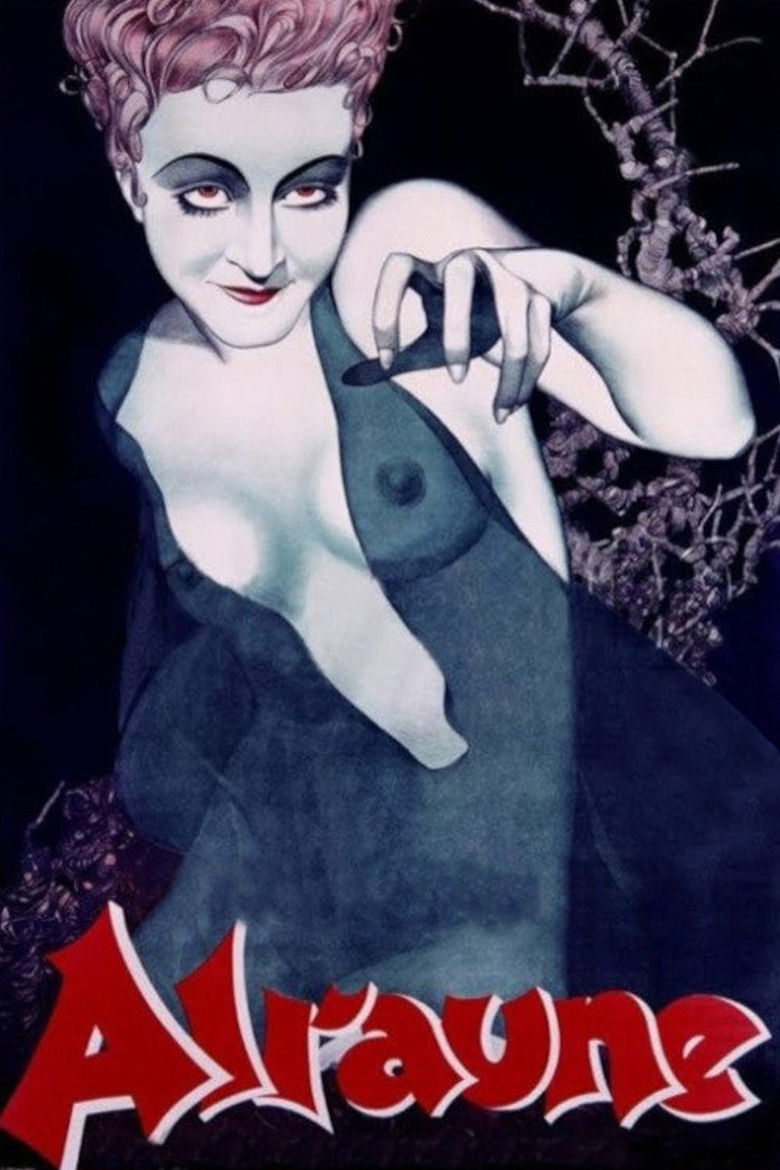
A Daughter Of Destiny
1928
Director
Henrik Galeen
Runtime
131 minutes
Average Rating
No ratings yetSynopsis
Hanns Heinz Ewers' grim science-fiction novel Alraune has already been filmed twice when this version was assembled in 1928. In another of his "mad doctor" roles, Paul Wegener plays Professor Brinken, sociopathic scientist who combines the genes of an executed murderer with those of a prostitute. The result is a beautiful young woman named Alraune (Brigitte Helm), who is incapable of feeling any real emotions -- least of all guilt or regret. Upon attaining adulthood, Alraune sets about to seduce and destroy every male who crosses her path. Ultimately, Professor Brinken is hoist on his own petard when he falls hopelessly in love with Alraune himself. Alraune was remade in 1930, with Brigitte Helm repeating her role, and again in 1951, with Hildegarde Knef as the "heroine" and Erich von Stroheim as her misguided mentor.
Where to Watch
Diversity & Representation
Overall Score
Fair
Category Breakdown
LGBTQ+ Representation
The film lacks explicit depictions of non-heteronormative identities or same-sex intimacy. The narrative focuses on Alraune's predatory interactions with men rather than queer frameworks.
Gender Representation
Alraune disrupts traditional hierarchies by exercising total agency over her environment. She dismantles male lives through intellect and presence, subverting the trope of the submissive female.
Racial & Ethnic Diversity
The film features a homogeneous cast typical of European productions of this era. There is no evidence of racial blending or diverse ethnic representation.
Religious & Cultural Diversity
The story critiques established institutions and singular Christian morality. It replaces the concept of the natural family with a manufactured existence that challenges social norms.
Disability Representation
Themes of biological otherness serve as psychological metaphors rather than nuanced portrayals of disability. Alraune's emotional void is framed as a gothic trait rather than lived experience.
Strengths
- Subverts traditional gender hierarchies by presenting a female protagonist with total agency.
- Challenges conventional Christian morality through a lens of moral relativism.
- Explores complex themes of biological determinism and scientific ethics.
Areas for Improvement
- Lacks explicit representation of LGBTQ+ identities or non-heteronormative intimacy.
- Features a homogeneous cast with minimal racial or ethnic diversity.
- Uses biological 'otherness' as a gothic metaphor rather than a nuanced disability portrayal.
AI Analysis
Henrik Galeen’s film is a striking example of how early German Expressionism used psychological deconstruction to challenge social morality. While the cast lacks modern demographic variety, the narrative architecture is remarkably progressive for 1928. The film's strength lies in its subversion of gendered power dynamics. Alraune is a powerful, destructive force who operates entirely outside patriarchal control, turning the traditional male leader into a victim of his own impulses. However, the film remains limited by the era's social constraints. It lacks LGBTQ+ representation and provides a homogeneous racial landscape, focusing instead on existential and moral themes rather than diverse human identities.
Rate this Movie
Reviews
No reviews yet. Be the first to share your thoughts on this movie!
Use the rating form above to leave a star rating and optional review.