
Missing Witnesses
1937
No user ratings available yet
Representation score: 1.4 out of 10
Representation Score
Minimal
1950
NRDirector
Sam Newfield
Runtime
59 minutes
Average Rating
No ratings yetNew Showbiz Analysis
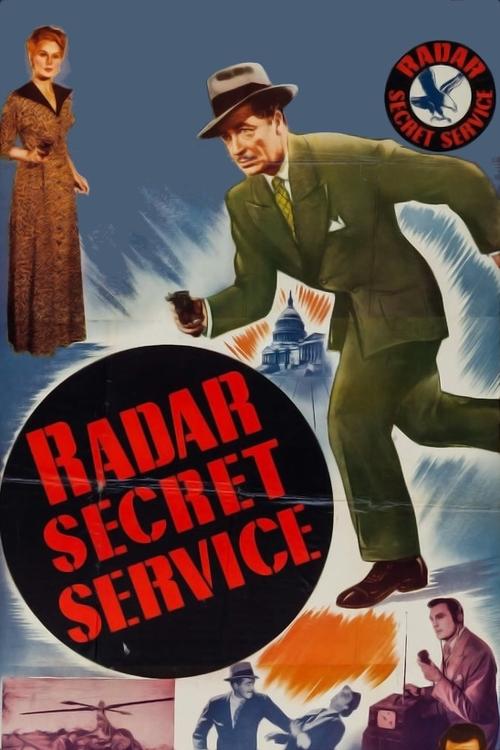
Radar Secret Service reinforces the social and institutional norms of mid-century society. The story is centered around male authority and upholds the legitimacy of federal institutions. While the film does not actively promote harmful stereotypes, it lacks the intention to challenge social expectations. It serves as a historical record of a time when storytelling aligned with preserving traditional Western structures. The film adheres to a binary moral framework, clearly distinguishing between protectors and disruptors without providing meaningful representation of diverse identities.
Category Breakdown
The film follows a typical mid-century crime story format. It does not show same-sex relationships or non-binary gender identities.
The story focuses on male law enforcement figures and their authority. It does not give much importance to women or challenge traditional gender roles.
The film reflects the homogeneous casting practices of the early 1950s. It does not feature characters of color with significant roles in the story.
The story emphasizes traditional Western values and the authority of federal institutions. It presents a clear moral divide between law enforcement and criminals.
The film does not include characters with visible or invisible disabilities. The focus is on the physical abilities needed for the plot.
Present on Screen
Limited or Absent
Official Synopsis
A federal agent and his partner track uranium-ore hijackers with radar.
1937
1949
1939

1950
1941
1950
1950
1939
No reviews yet. Be the first to share your thoughts on this movie!
Use the rating form above to leave a star rating and optional review.