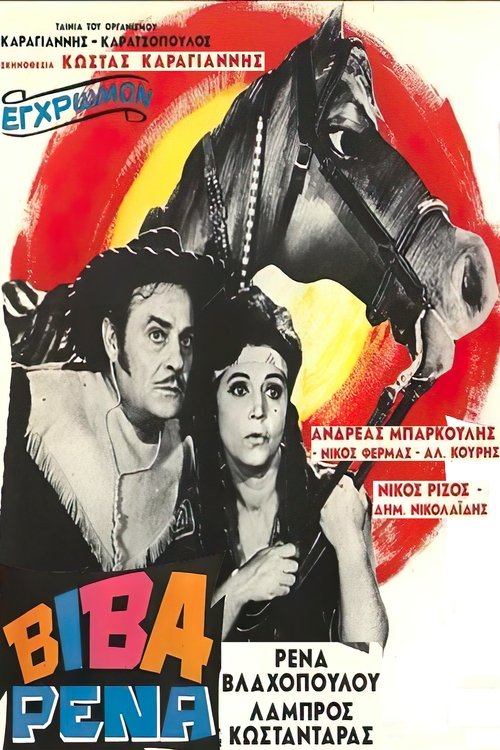
Viva Rena
1967
No user ratings available yet
Representation score: 2.4 out of 10

Representation Score
Limited
1971
Director
Kostas Karagiannis
Runtime
93 minutes
Average Rating
No ratings yetNew Showbiz Analysis
The Crazy Fifty is a period-typical situational comedy that relies on established social archetypes. The narrative prioritizes situational humor and the restoration of social order over the disruption of traditional hierarchies. The film reflects the conventional cultural values of 1971, focusing on individual folly and mistaken identity. It functions as a lighthearted entertainment piece rather than a vehicle for social or systemic critique. Ultimately, the work lacks meaningful representation of diverse identities, sticking instead to traditional clichés of class and romantic upheaval.
Category Breakdown
The film does not include any LGBTQ+ characters or narratives. The plot revolves around a traditional romantic conflict between a male protagonist and a wealthy woman.
Female characters play a significant role in driving the story by orchestrating a trap to correct the protagonist's behavior. However, the central conflict remains driven by male pursuits of status and romance.
The setting appears homogeneous. An American woman is introduced but primarily serves as a symbol of international status rather than exploring diverse ethnic backgrounds.
The story reinforces conventional social aspirations and moral frameworks. It focuses on the consequences of social deception and class pretension without critiquing institutional structures.
There are no characters with visible or invisible disabilities within the narrative.
Present on Screen
Limited or Absent
Official Synopsis
Andreas Tependris, the director of a mannequin school, meets again with an old friend who has returned from America. He proposes to get him a partner in his business, provided that he has grown up and changed his way of life. So, a new life begins for him by pretending the big businessman. But when he meet a wealthy American woman, he loses his mind and even renounces his fiancé. She, with the help of her daughter and his friends, sets him up for a trap to convince him...
1967
1969

1967

1970

1967
1964
1964
1970
No reviews yet. Be the first to share your thoughts on this movie!
Use the rating form above to leave a star rating and optional review.