The Stepfather
1987
No user ratings available yet
Representation score: 2.4 out of 10
Representation Score
Fair
2022
RDirector
William Brent Bell
Runtime
99 minutes
Average Rating
No ratings yetNew Showbiz Analysis
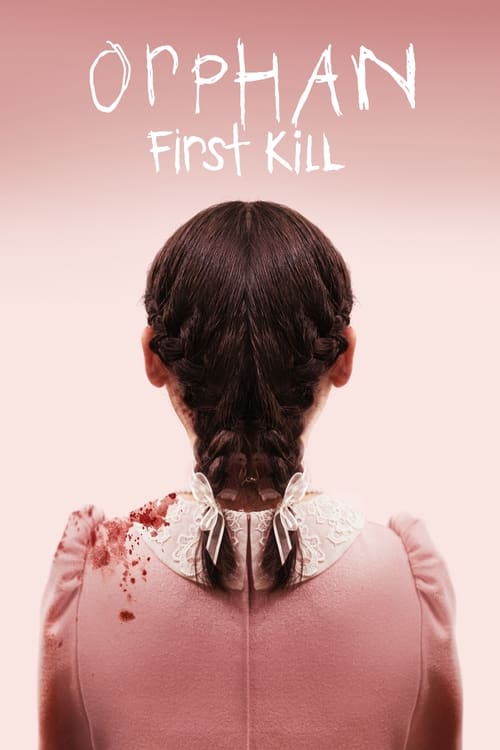
Orphan: First Kill is a character-driven thriller that prioritizes psychological tension over demographic breadth. Its primary strength lies in its subversion of gendered archetypes, replacing the 'damsel in distress' with a high-stakes battle of wits between female characters. However, the film is limited by its period setting, which reinforces racial homogeneity. The use of mental health as a plot device for villainy also prevents a more meaningful exploration of disability. Ultimately, the film functions as a genre study of moral ambiguity and familial breakdown rather than a vehicle for diverse representation.
Category Breakdown
The film does not include any LGBTQ+ identities or non-cisgender gender expressions. It focuses on traditional family structures and childhood roles.
The story centers on the psychological battle between two women, emphasizing their ability to act. It challenges the 'innocent child' archetype by presenting a predatory, highly capable female lead.
Set in the 1950s, the film reflects the demographic homogeneity of that era. The cast is predominantly white, lacking intentional multi-ethnic or diverse representation.
The narrative explores the deconstruction of the traditional nuclear family. It presents the domestic unit as a site of infiltration and deception rather than a stable sanctuary.
Psychiatric instability and institutionalization serve as plot devices for the antagonist's backstory. These elements lean toward the 'predatory outsider' cliché rather than nuanced portrayals of neurodivergence.
Present on Screen
Limited or Absent
Official Synopsis
After escaping from an Estonian psychiatric facility, Leena Klammer travels to America by impersonating Esther, the missing daughter of a wealthy family. But when her mask starts to slip, she is put against a mother who will protect her family from the murderous “child” at any cost.
1987
2007
2021
2012
2009

1990
2022

2017
No reviews yet. Be the first to share your thoughts on this movie!
Use the rating form above to leave a star rating and optional review.