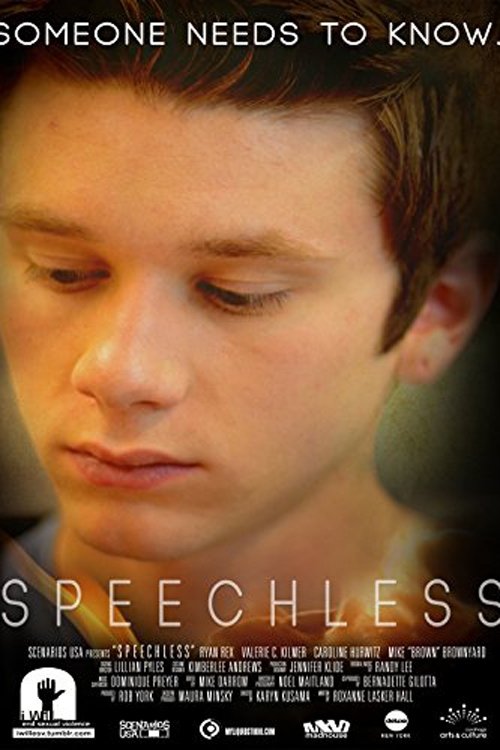
Speechless
2015
No user ratings available yet
Representation score: 6.5 out of 10

Representation Score
Good
2006
PG-13Director
William R. Bryan
Runtime
70 minutes
Average Rating
No ratings yetNew Showbiz Analysis
Speechless explores the journey of a female protagonist from victimhood to empowerment through performance art. While it moves beyond traditional stereotypes, it still relies on conventional romantic archetypes. The film successfully portrays a non-Western centered story of emotional liberation, yet remains within established romantic frameworks.
Category Breakdown
The story focuses on a heterosexual relationship between Mia and Ku. There is no clear depiction of LGBTQ+ identities or critiques of the assumption that everyone is straight or cisgender.
The film highlights a female protagonist's journey towards reclaiming power. Mia's emotional strength drives the story, challenging traditional submissive feminine roles.
The film features diverse characters such as Mia Sakamoto and Ku James, suggesting a non-Anglo-Saxon centered narrative. It avoids depicting homogeneous Western families as the norm.
Spoken word art serves as a tool for liberation and subjective experience. However, the narrative relies on traditional romantic savior clichés.
The title and themes suggest a metaphorical or trauma-induced silence. There is no evidence of the film addressing neurodivergence or physical disabilities.
Present on Screen
Limited or Absent
Official Synopsis
Mia Sakamoto feels trapped physically and verbally abused by men all her life, until she crosses paths with a spoken word artist Ku James. Ku is Mia's savior, guiding her to discover her inner strength, her voice. She discovers herself as he finds unconditional love.
2015
2019

1996

2013

2013

2014

2017

2007
No reviews yet. Be the first to share your thoughts on this movie!
Use the rating form above to leave a star rating and optional review.