Dallas Pashamende
2005
No user ratings available yet
Representation score: 2.9 out of 10
Representation Score
Fair
2012
Director
Philippe Barcinski
Runtime
80 minutes
Average Rating
No ratings yetNew Showbiz Analysis
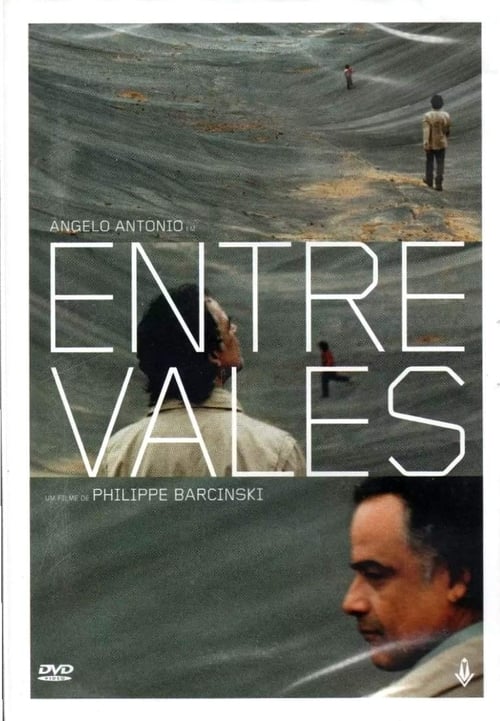
Between Valleys is a social realist drama that critically examines the volatility of socioeconomic status within a Brazilian context. Through the contrast of a successful economist and a homeless scavenger, the film scrutinizes systemic inequality. While the film effectively disrupts traditional notions of success and stability, it remains narrowly focused on male protagonists and conventional domestic structures. It offers limited insights into LGBTQ+ or gender-subversive themes. The work primarily studies systemic inequality rather than a broad exploration of diverse identities.
Category Breakdown
The film focuses on a traditional marriage involving Vicente. There is no indication of non-straight relationships or identities.
The story centers around two male protagonists and emphasizes the male experience. It is unclear whether the film challenges or upholds traditional gender roles.
By highlighting Brazil's underrepresented waste-management communities, the film challenges Western-centric narratives. The setting allows for examining ethnic stratification.
The narrative critiques capitalist structures and socioeconomic instability. It highlights the resilience of underrepresented communities by challenging traditional Western success stories.
The film addresses poverty and homelessness, which can relate to physical exhaustion. However, there are no characters shown with specific disabilities or ability to act related to them.
Present on Screen
Limited or Absent
Official Synopsis
This is the story of Vicente, a successful, married, economist with a nine-year-old son. It also tells the story of Antônio, the same man, living as a hugadores—one of the homeless, trash scavengers who live and work in Brazil’s enormous garbage dumps. Vicente seems to have it all, but as we watch his life begins to crumble little by little. Meanwhile, Antônio, already at rock bottom, struggles to rebuild his life.
2005
1970

2008
1994

2014

2014
2017
2015
No reviews yet. Be the first to share your thoughts on this movie!
Use the rating form above to leave a star rating and optional review.