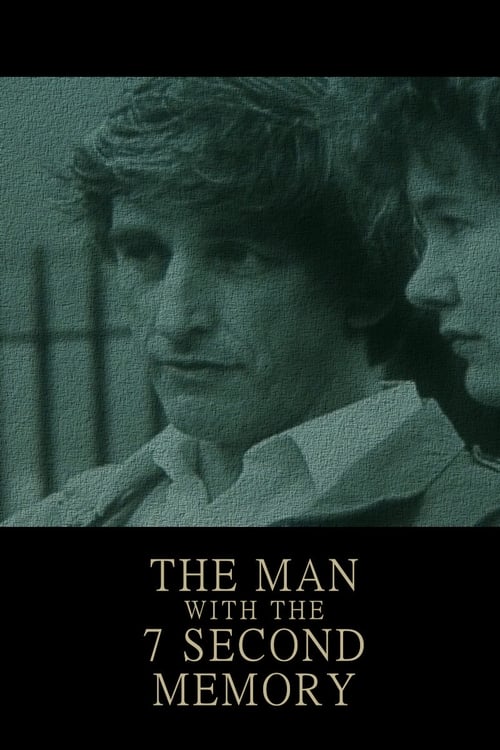
The Man with the 7 Second Memory
2005
No user ratings available yet
Representation score: 7.2 out of 10
Representation Score
Excellent
2014
Director
Toby Amies
Runtime
77 minutes
Average Rating
No ratings yetNew Showbiz Analysis
Toby Amies presents a sophisticated study of neurodivergence that avoids the common pitfalls of medicalized storytelling. By centering Drako Zarharzar’s unique worldview, the film validates a lived experience that exists outside standard cognitive hierarchies. The documentary excels by treating memory loss not as a tragedy to be cured, but as a distinct way of being. This approach grants the subject a leading role and prevents the narrative from becoming mere inspiration porn. While the film is strong in disability and cultural representation, it remains moderate in gender and LGBTQ+ categories due to a lack of explicit detail regarding those specific identities.
Category Breakdown
The film centers on a love story emphasizing companionship and caregiving. It highlights unconventional interpersonal connections without specifying sexual orientations.
The story focuses on the vulnerability of the main character and the empathetic role of the filmmaker. It challenges traditional power dynamics through a non-hierarchical approach to care.
The protagonist has a non-Anglo-Saxon identity with a cosmopolitan background. His history suggests a culturally diverse perspective that goes beyond a homogeneous Western lens.
The film disrupts conventional notions of productivity and linear time. It prioritizes a unique, individualistic truth over institutionalized or religious frameworks.
This is a standout portrayal of cognitive impairment. The film grants the subject narrative authority, treating his neurodivergence as a fundamental identity rather than a deficit.
Present on Screen
Limited or Absent
Official Synopsis
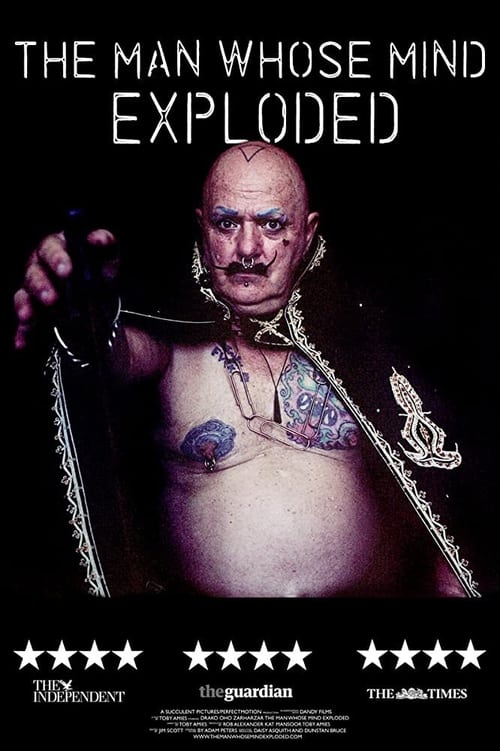
In this "beautifully intimate and utterly unique piece of cinema", Toby Amies crosses the line between filmmaker and carer, trying to cope with the strange and hilarious world view of the fragile eccentric, Drako Zarharzar. A love story. Drako Oho Zaraharzar can remember modeling for Salvador Dali and hanging out with The Stones. But he can’t remember yesterday. Following a severe head injury, Drako Zaraharzar suffers from terrible memory loss, he can access memories from before his accident, but can’t imprint new ones. As he puts it, “the recording machine in my head doesn’t work”. Consequently, and as an antidote to depression he chose to live “completely in the now” according to the bizarre mottoes delivered to him whilst in a coma.
2005
2016
1996

2021
2014

2007
2013

2013
No reviews yet. Be the first to share your thoughts on this movie!
Use the rating form above to leave a star rating and optional review.