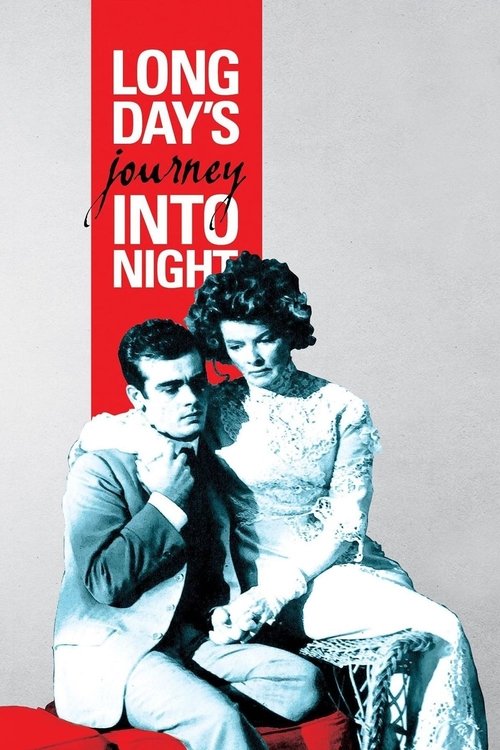
Long Day's Journey Into Night
1962
No user ratings available yet
Representation score: 4.7 out of 10
Representation Score
Good
1996
TV-GDirector
David Wellington
Runtime
173 minutes
Average Rating
No ratings yetNew Showbiz Analysis
Long Day's Journey Into Night serves as a critique of the idealized American family. Instead of glorifying domestic stability, the musical drama delves into the decay caused by addiction and selfishness. The film's strength lies in its challenge to traditional social structures. It moves away from the 'competent provider' archetype to highlight the fragility and dysfunction inherent in domestic life. However, the production lacks clear evidence of multi-layered casting or explicit LGBTQ+ narratives. It adheres to a traditional Western framework common to mid-90s domestic dramas.
Category Breakdown
The film does not explicitly address LGBTQ+ identities. However, the focus on addiction and selfishness could hint at underrepresented dynamics, though it remains neutral overall.
By highlighting the breakdown of the family unit, the film challenges traditional patriarchal roles. Masculine characters are portrayed through a lens of vulnerability and inadequacy.
The story operates within a conventional Western framework. There is no indication of a diverse cast, suggesting adherence to mid-90s homogeneous casting practices.
The film critically examines Western institutions by depicting the traditional American family as decaying. It questions the sanctity of such institutions.
Disease is a central theme, emphasizing the impact of chronic illness on the characters. This provides insight into the challenges faced by those dealing with long-term health issues.
Present on Screen
Limited or Absent
Official Synopsis
The remaining members of a once-great American family succumb to addictions, selfishness and disease.
1962

1997
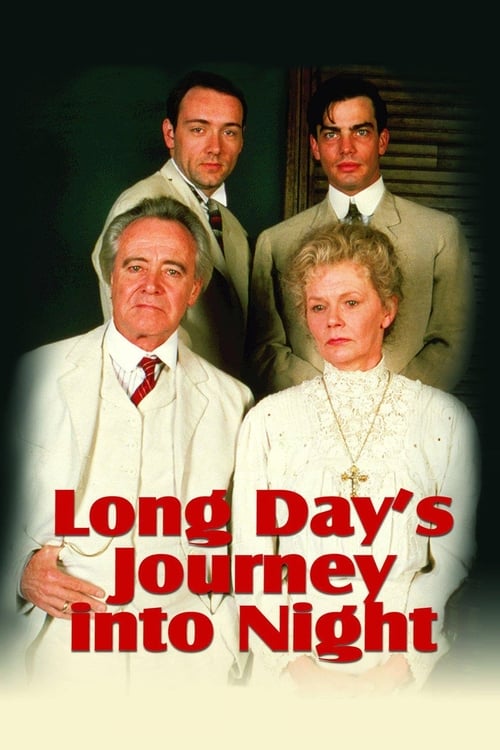
1987
2010
No reviews yet. Be the first to share your thoughts on this movie!
Use the rating form above to leave a star rating and optional review.