A Bump Along the Way
2019
No user ratings available yet
Representation score: 1.9 out of 10
Representation Score
Limited
1991
MDirector
Bill Bixby
Runtime
105 minutes
Average Rating
No ratings yetNew Showbiz Analysis
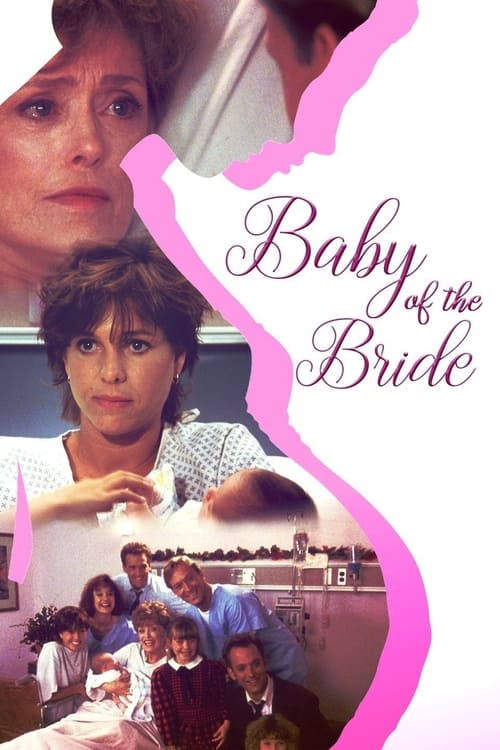
Baby of the Bride is a conventional domestic drama that adheres to the social norms of the early 1990s. While it offers some character's ability to drive the story, it lacks multi-layered depth. The film's strength lies in its subversion of marital consensus, allowing female characters to exercise bodily autonomy. This provides a moderate disruption of traditional gender hierarchies. However, the work remains limited by a lack of racial diversity and a focus on a homogeneous family structure. It functions primarily as a traditional teleplay rather than a systemic critique.
Category Breakdown
The film focuses on heterosexual domesticity and biological pregnancy. There are no LGBTQ+ characters or narratives exploring non-straight relationships.
Margaret demonstrates significant control over her actions by choosing to keep her baby despite her husband's wishes. This challenges traditional gender roles, although the conflict remains within conventional domestic settings.
The narrative centers on the Hix family without indicating a multi-ethnic cast. It appears to follow the homogeneous casting standards typical of early 1990s domestic dramas.
The story explores the tension between religious institutions and personal autonomy through Mary's departure from the convent. However, it leans toward traditional social structures.
There is no mention of characters navigating physical, neurodivergent, or mental health conditions within the narrative.
Present on Screen
Limited or Absent
Official Synopsis
Soon after returning from their honeymoon, John and Margaret Hix receive the surprise of their life - at 53, Margaret is pregnant! Against her husband's wishes, Margaret decides to keep the baby... but she isn't the only one in the family who is expecting. Margaret's daughter, Mary, who has just left the convent, is due just a few months before her mother.
2019

2013

2017
1987
1990
1995

2021

1981
No reviews yet. Be the first to share your thoughts on this movie!
Use the rating form above to leave a star rating and optional review.