
The Invoking
2013
No user ratings available yet
Diversity score: 3.8 out of 10
2018
Director
Joshua Louis, Chris Alonso
Runtime
75 minutes
Average Rating
No ratings yetSynopsis
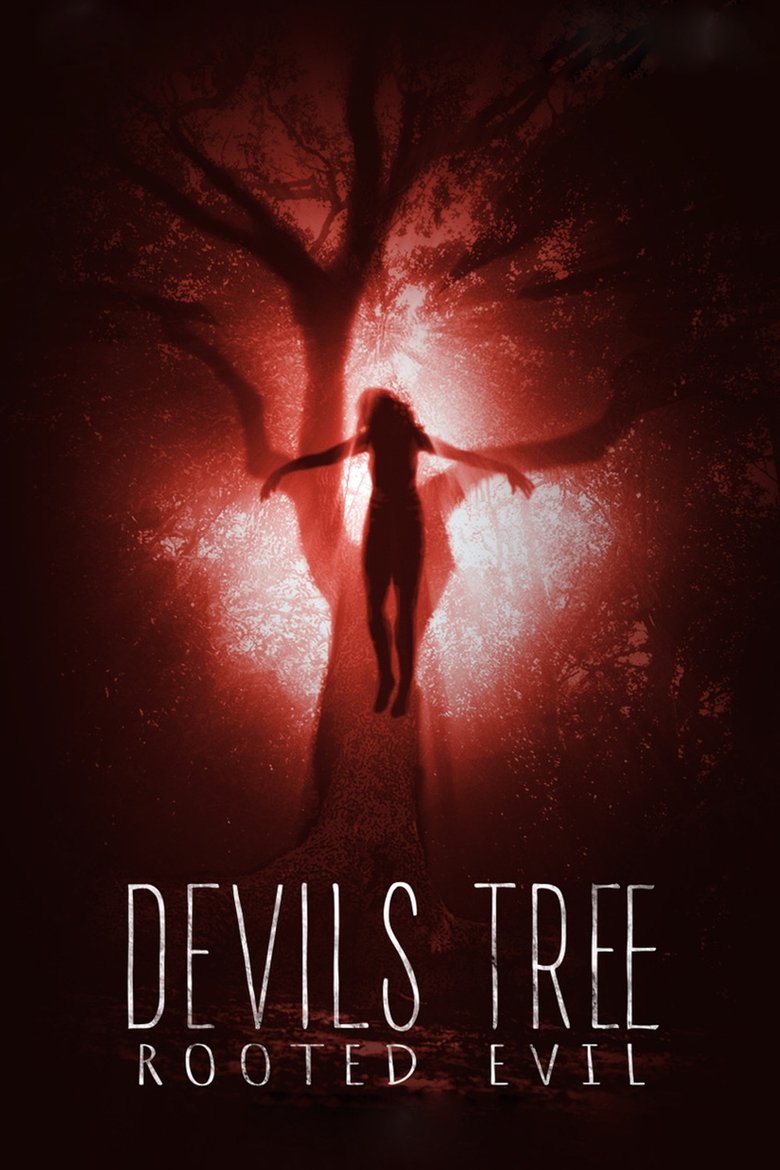
Inspired by true events, The Devils Tree follows Samantha, a college student studying journalism, who needs to finish her thesis with one last breaking news story. Along with her friend Rob, Samantha stumbles across a news article about an old tree in a local park where many horrible acts occurred. The locals have given the tree the name Devils Tree because of its urban legends of mass murders, satanic rituals, and paranormal activity. She decides this is the perfect story to finish her thesis on. As Sam digs deeper into the realm of the tree, she begins to uncover the truth about these urban legends. Struggling with her own demons of her past, Samantha is confronted with a the true demon of the tree and now must expose the truth in hopes to set it free. In the end, Samantha founds the real reason why evil is so rooted at The Devils Tree.
Overall Score
Fair
Category Breakdown
LGBTQ+ Representation
The narrative lacks explicit mention of LGBTQ+ characters or non-cisnormative identities. The story focuses on Samantha and her friend Rob without indicating queer subtext or identity-driven arcs.
Gender Representation
Samantha serves as a strong female protagonist with significant agency. As a journalism student, she drives the plot through intellectual authority rather than falling into passive tropes.
Racial & Ethnic Diversity
The film appears to follow a conventional structure without highlighting racial or ethnic intersectionality. There is no evidence of a diverse cast or intentional use of race-bent casting.
Religious & Cultural Diversity
The story engages with traditional supernatural tropes like satanic rituals and local folklore. It explores personal psychological struggles through the lens of deconstructing established communal myths.
Disability Representation
There is no information regarding the inclusion of characters with visible or invisible disabilities. The narrative does not explicitly portray neurodivergence or mental health conditions with agency.
Strengths
Areas for Improvement
AI Analysis
Devil's Tree: Rooted Evil functions primarily as a traditional genre piece centered on localized folklore and individual psychological struggle. While the film avoids some gendered tropes by granting its female lead investigative autonomy, it lacks broader social complexity. The narrative architecture remains focused on a singular protagonist's journey through urban legends. It does not actively work to disrupt social hierarchies or provide intersectional depth. Ultimately, the film prioritizes horror tropes and personal demons over progressive representation or systemic critique.
2013

2023
2005
2007
2020
2006

2020
2013
2023
2019
2011
2014
No reviews yet. Be the first to share your thoughts on this movie!
Use the rating form above to leave a star rating and optional review.