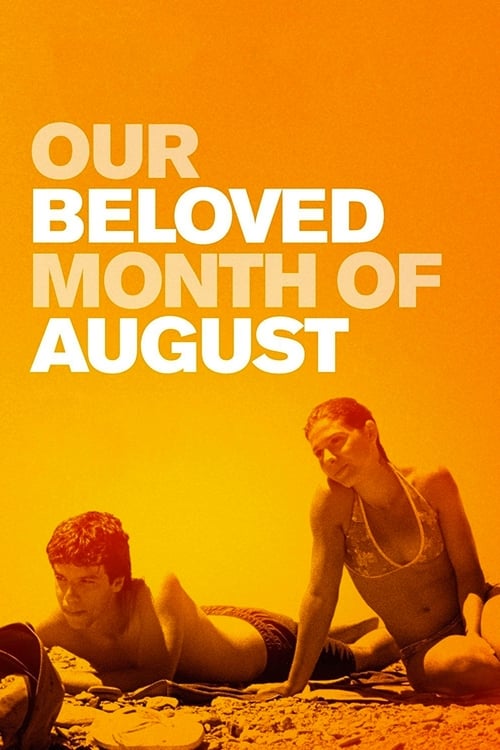
Our Beloved Month of August
2008
No user ratings available yet
Representation score: 2.9 out of 10

Representation Score
Good
2011
Director
Audrey Estrougo
Runtime
85 minutes
Average Rating
No ratings yetNew Showbiz Analysis
Leila is a sociological study of the French banlieues, centering on the intersection of race, class, and gender. It succeeds by providing authentic demographic representation and challenging traditional hierarchies through a strong female lead. The film's strength lies in its refusal to whitewash the immigrant-descendant experience. By placing these characters at the center of the narrative, it challenges mainstream European cinematic norms. However, the film remains limited by its focus on heterosexual relationships and a lack of explicit representation for LGBTQ+ identities or visible disabilities.
Category Breakdown
The film focuses on heterosexual and cisgender relationships without including explicit LGBTQ+ characters or storylines that question these assumptions.
Leïla is portrayed who play a significant role in driving the story despite restrictive social frameworks. She avoids submissive stereotypes and is shown as resilient and proactive.
The film features a predominantly Black and North African cast, reflecting the post-colonial reality of the French suburbs.
The story critiques Western socioeconomic structures using situational ethics to validate the protagonist's choices within her specific social context.
There is no explicit focus on neurodivergent or physically disabled characters. Economic hardship may affect mental health, but disability is not given central ability to act.
Present on Screen
Limited or Absent
Official Synopsis
Gab has a well-ordered life: a fiancée, a wealthy family. Leïla, who struggles to juggle her studies, odd jobs, and a brother to support, does not allow herself to live her own life... When Gab meets Leïla, it is a clash of worlds, the beginning of a great love story that will collide violently with reality.
2008
1998

2010

2023
2011

2004

2010

2007
No reviews yet. Be the first to share your thoughts on this movie!
Use the rating form above to leave a star rating and optional review.