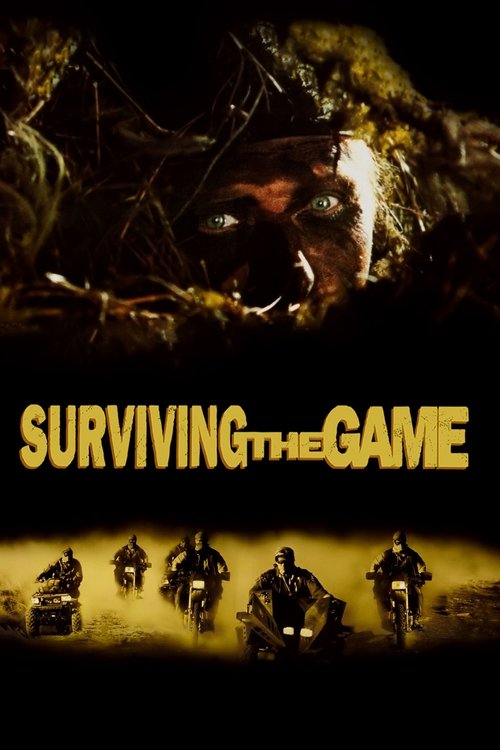
Surviving the Game
1994
No user ratings available yet
Representation score: 3.3 out of 10

Representation Score
Limited
1993
RDirector
John Woo
Runtime
99 minutes
Average Rating
No ratings yetNew Showbiz Analysis
Hard Target is a high-energy action film that explores socio-economic critique through a high-octane framework. It uses traditional genre conventions to examine the friction between extreme wealth and social vulnerability. The film effectively challenges the morality of the elite by portraying the pursuit of wealth as a source of systemic cruelty. This provides a visceral commentary on class-based oppression and the struggle of the 'have-nots.' However, the film remains limited by 1990s genre conventions. It lacks breakthroughs in gender or LGBTQ+ representation and relies on traditional archetypes for its supporting cast.
Category Breakdown
The film lacks LGBTQ+ characters and does not explore non-straight identities. Relationships focus on traditional heterosexual structures.
The narrative centers on a traditional masculine framework. Female characters mainly serve as plot catalysts or figures needing protection, rather than driving the resolution.
Casting favors a predominantly white lead ensemble. While the New Orleans setting includes minority characters in supporting roles, they often function within standard genre clichés.
The film sharply critiques late-stage capitalism. It portrays the ultra-wealthy as predatory villains who commodify human life for recreation.
There are no prominent depictions of visible or invisible disabilities that drive the narrative or provide character's ability to drive the story.
Present on Screen
Limited or Absent
Official Synopsis
When a woman's father goes missing, she enlists a local to aid in her search. The pair soon discover that her father has died at the hands of a wealthy sportsman who hunts homeless men as a form of recreation.
1994

1971

1995

1974

1989

1987

2022

1989
No reviews yet. Be the first to share your thoughts on this movie!
Use the rating form above to leave a star rating and optional review.