
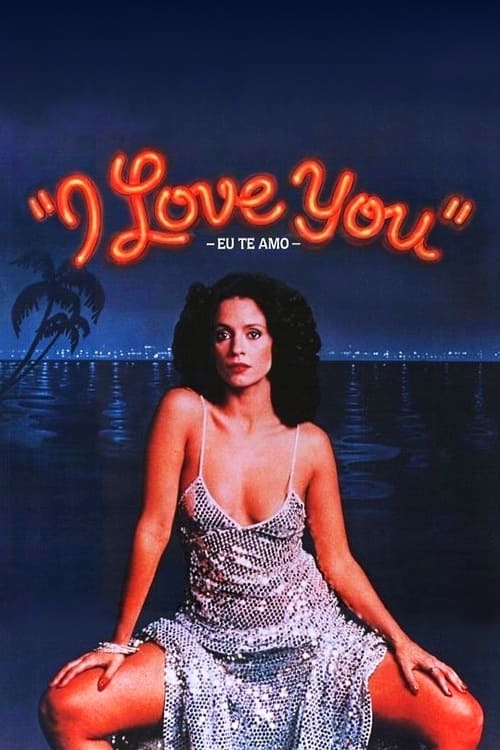
Love Me Forever or Never
1986
No user ratings available yet
Representation score: 6.0 out of 10
Representation Score
Fair
1981
RDirector
Arnaldo Jabor
Runtime
110 minutes
Average Rating
No ratings yetNew Showbiz Analysis
Arnaldo Jabor’s drama explores the psychological state of the Brazilian middle class. By focusing on the instability of romantic relationships and the breakdown of the nuclear family, the film offers a modern perspective on human connections. However, it lacks diverse representations, particularly in terms of LGBTQ+ identities and racial diversity. The film reflects the specific, often homogeneous, socioeconomic conditions of the 1980s urban bourgeoisie. Overall, the film is a study of psychological fragmentation within the urban middle class. While it doesn’t explicitly highlight identity diversity, its willingness to challenge traditional domesticity gives it a sophisticated, secular edge.
Category Breakdown
The story revolves around the relationship between Maria and Paulo. It doesn't include diverse LGBTQ+ identities or perspectives that challenge the assumption that everyone is straight or cisgender.
The film breaks down traditional gender roles by highlighting the emotional dynamics between men and women. It challenges the typical male-dominated structure by focusing on the instability of domestic life.
The movie focuses on the Brazilian urban middle class. It reflects the socioeconomic homogeneity of the time without much diversity in racial representation.
The story emphasizes personal morality over religious traditions. It presents the collapse of the traditional family unit as a psychological issue rather than a moral failing.
There are no characters with physical or cognitive disabilities that play a central role in the story or drive the narrative.
Present on Screen
Limited or Absent
Official Synopsis
After the collapse of their relationships with other people, Maria and Paulo embark in an intense relationship in order to shield themselves from loneliness.
1986
1974

2018

1971

1978

1995

1979

1987
No reviews yet. Be the first to share your thoughts on this movie!
Use the rating form above to leave a star rating and optional review.