Academy Leader Variations
1987
No user ratings available yet
Representation score: 8.0 out of 10
Representation Score
Excellent
1989
Director
Pavel Koutský, David Ehrlich, Osamu Tezuka, Hardi Volmer, Mati Kütt, Borivoj Dovniković 'Bordo', Renzo Kinoshita, Bill Plympton, Dušan Vukotić, Joško Marušić, Priit Pärn, Kihachiro Kawamoto, Nikola Majdak, Maureen Selwood, Candy Kugel, Riho Unt, Jiří Barta, Sally Cruikshank, Jan Švankmajer
Runtime
8 minutes
Average Rating
No ratings yetNew Showbiz Analysis
Animated Self-Portraits stands out as a global mosaic, breaking away from Western-centric storytelling through its decentralized, non-linear structure. Its greatest strength lies in the inclusion of diverse geopolitical voices, ranging from Japanese animation legends to Eastern Bloc surrealists. However, the anthology format limits the development of deep, sustained character arcs. While it excels at challenging traditional norms around gender and culture, it falls short in providing meaningful representation for LGBTQ+ or disabled individuals.
Category Breakdown
The film uses surrealism and changes in body shape to challenge typical gender norms. Though it doesn't have clear romantic stories involving LGBTQ+ characters, it does show flexible gender expressions and unusual body types.
The animated segments often depict gender as a fluid, playful, or absurd concept rather than a strict biological division. Animation helps avoid traditional stereotypes about masculinity and femininity.
This anthology offers a unique, non-Western perspective on animation. It combines works by Japanese masters with Eastern European and Western experimental animators to create a rich, global visual style.
By showcasing twenty-seven different viewpoints, the film questions the idea of a single human experience. It introduces themes of systemic critique through creators from various political contexts.
Non-traditional physical appearances are often used as metaphors for psychological states. These depictions can lean towards the grotesque rather than offering nuanced representations of lived experiences.
Present on Screen
Limited or Absent
Official Synopsis
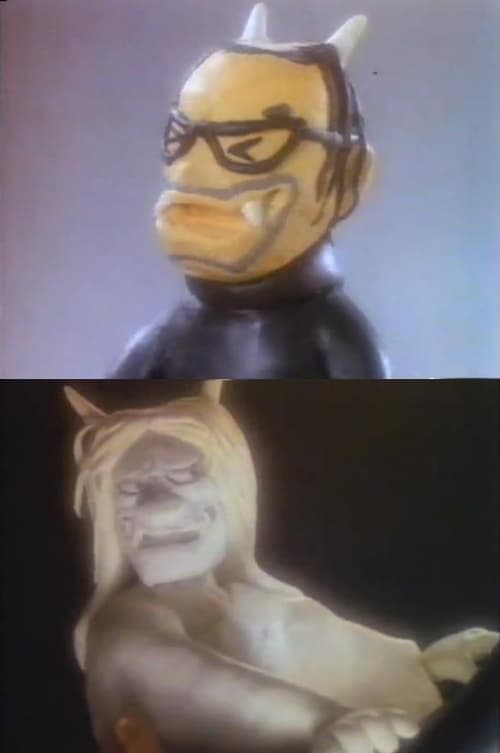
An animated film compiled by David Ehrlich consisting of 27 animators from different countries all explaining themselves through their animation.
1987

2007
1988

2013
1988

2008
1978
1973
No reviews yet. Be the first to share your thoughts on this movie!
Use the rating form above to leave a star rating and optional review.