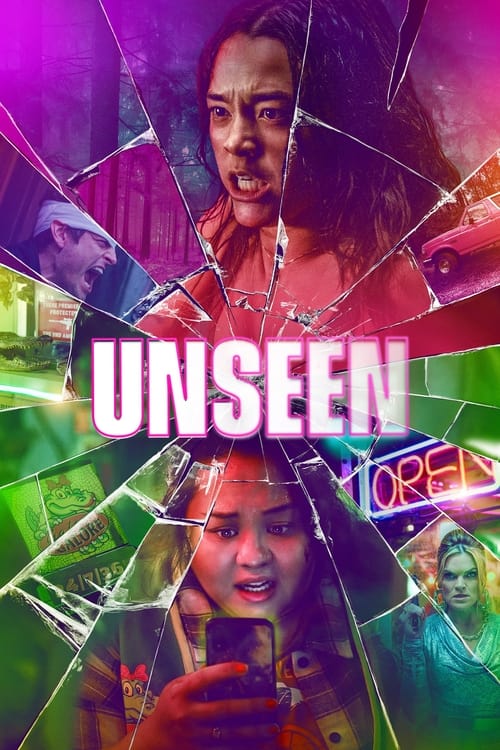
Unseen
2023
No user ratings available yet
Representation score: 8.6 out of 10

Representation Score
Good
2023
Director
Takeshi Kushida
Runtime
94 minutes
Average Rating
No ratings yetNew Showbiz Analysis
My Mother's Eyes is a psychological thriller that uses high-concept technology to explore the boundaries of identity. By linking a blind mother and her injured daughter through camera lenses and VR goggles, the film creates a profound, mediated interdependence. The narrative succeeds most significantly in its handling of disability. Rather than using physical limitations as mere plot devices, the film integrates them into the characters' roles and sensory reality. While the film lacks explicit engagement with LGBTQ+ themes or multiculturalism, it provides a meaningful exploration of how technology can reshape human connection and individual perception.
Category Breakdown
The story emphasizes a maternal bond and does not explicitly show LGBTQ+ identities or non-straight relationships. The shared vision creates a unique connection but lacks specific LGBTQ+ themes.
The film centers on women's ability to drive the story and the strength of the maternal bond. It moves away from patriarchal structures by focusing on the sensory interdependence between mother and daughter.
As a Japanese production, the film presents a culturally specific narrative. It does not explicitly engage in multicultural casting or multi-layered blending within the available context.
The narrative leans toward secularism, focusing on technological mediation rather than spiritual or communal connections. It explores the fragmentation of the modern individual through high-concept devices.
The film offers a nuanced depiction of disability by integrating blindness and physical injury into the core mechanics of the plot. Assistive technology becomes a sophisticated tool for navigating sensory differences.
Present on Screen
Limited or Absent
Official Synopsis
Both Hitomi and her daughter Eri are cellists. One day, they are involved in a traffic accident and Hitomi loses her sight. She wears camera-equipped contact lenses and Eri, injured and hospitalized, wears VR goggles, and the two share one vision.
2023
2003
2010
2008
1984
2013
2022

2024
No reviews yet. Be the first to share your thoughts on this movie!
Use the rating form above to leave a star rating and optional review.