
Lost Girls & Love Hotels
2020
No user ratings available yet
Representation score: 8.7 out of 10
Representation Score
Fair
2016
PG-13Director
Gus Van Sant
Runtime
110 minutes
Average Rating
No ratings yetNew Showbiz Analysis
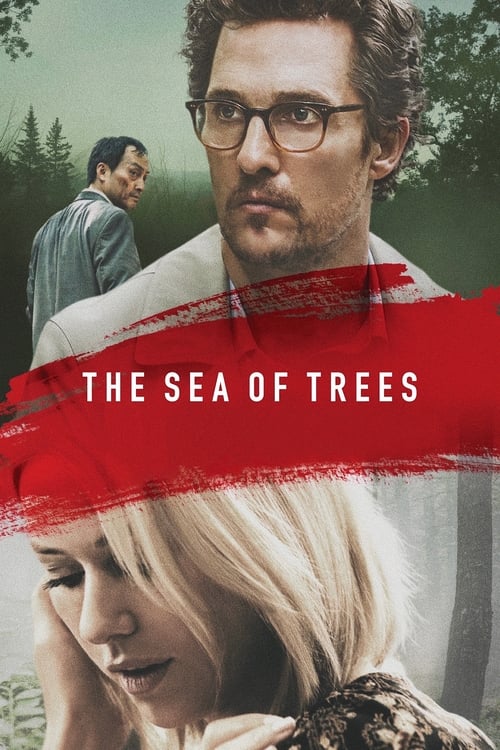
The Sea of Trees is a character-driven study that prioritizes postmodern themes of subjectivity. It successfully deconstructs traditional social contracts and masculine archetypes, offering a nuanced look at emotional vulnerability. However, the film's impact is limited by its narrow focus on a Western perspective, which fails to engage with the local culture or diverse identities in a meaningful way. Ultimately, while the film provides depth in its psychological exploration, it lacks breadth in racial and LGBTQ+ representation.
Category Breakdown
The film focuses solely on a heterosexual relationship and does not depict any LGBTQ+ identities or dynamics.
The story highlights the male lead's emotional fragility and grief, challenging traditional masculinity. However, it does not address broader gender power structures.
Despite being set in Japan, the story centers on a white, Western couple, using the setting merely as a backdrop without diverse casting.
The film questions conventional social norms by emphasizing individual existential truths over social norms, challenging traditional views on social responsibility.
The film explores mental health struggles, such as grief and suicidal thoughts, with psychological depth, framing these conditions as existential crises.
Present on Screen
Limited or Absent
Official Synopsis
In Japan's Aokigahara Forest, a troubled teacher meets a mysterious lost stranger who takes him on a life-changing journey of love and redemption.
2020

2018
2018
2014

2008

2004

2016

2014
No reviews yet. Be the first to share your thoughts on this movie!
Use the rating form above to leave a star rating and optional review.