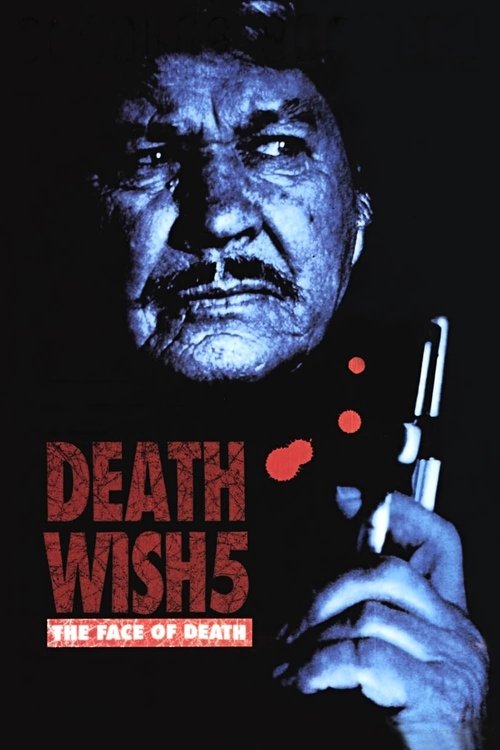
Death Wish V: The Face of Death
1994
No user ratings available yet
Representation score: 1.2 out of 10
Representation Score
Limited
1974
PGDirector
Richard Fleischer
Runtime
103 minutes
Average Rating
No ratings yetNew Showbiz Analysis
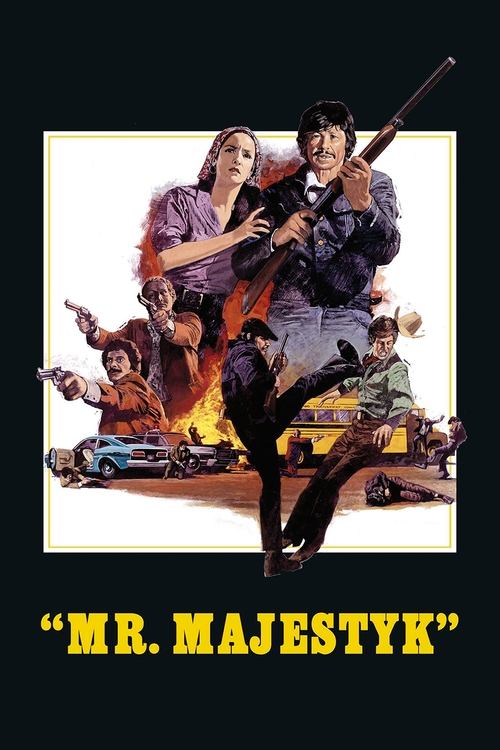
Mr. Majestyk is a period-specific character study that prioritizes the psychological impact of an outsider over multi-layered representation. It functions as a traditionalist production, reflecting the demographic and social constraints of mid-70s American cinema. The film's strength lies in its nuanced approach to moral ambiguity, avoiding the most egregious clichés of its era. However, it remains deeply rooted in conventional social structures and homogeneous casting. Ultimately, the narrative focuses on individual charisma and masculine-coded conflict rather than challenging systemic hierarchies or providing diverse perspectives.
Category Breakdown
The film adheres to the assumption that everyone is straight or cisgender, typical of 1970s crime dramas. There is no evidence of characters with non-traditional gender identities or narratives that question traditional gender norms.
The story centers on masculine-coded conflicts within the world of organized crime. Female roles appear peripheral and align with standard cinematic clichés of the era without challenging patriarchal structures.
The cast is predominantly white and Anglo-Saxon, reflecting its 1974 small-town American setting. The film lacks diverse ethnic perspectives or any evidence of color-blind casting.
The film explores moral ambiguity through an outsider protagonist rather than a clear hero archetype. However, it does not actively deconstruct Western institutions like religion or the nuclear family.
There is no evidence of characters with visible or invisible disabilities being portrayed with real power. Disability is not used as a central narrative or plot device.
Present on Screen
Limited or Absent
Official Synopsis
A melon farmer battles organized crime and a hit man who wants to kill him.
1994
1973

1982
1972
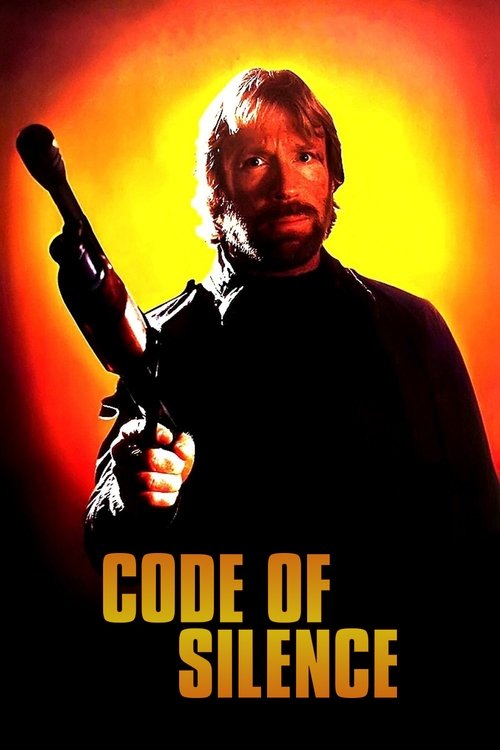
1985

1974

2008

1972
No reviews yet. Be the first to share your thoughts on this movie!
Use the rating form above to leave a star rating and optional review.