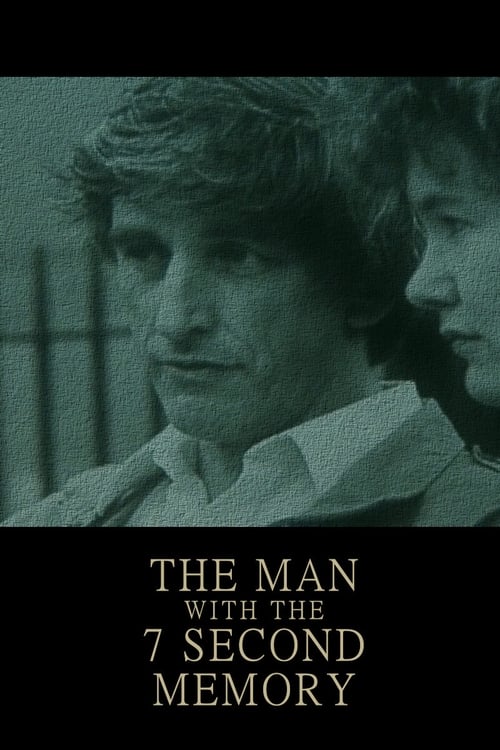
The Man with the 7 Second Memory
2005
No user ratings available yet
Representation score: 7.2 out of 10

Representation Score
Fair
2004
Director
Patrick Collerton
Runtime
50 minutes
Average Rating
No ratings yetNew Showbiz Analysis
The film is a powerful, singular character study that excels in its portrayal of disability. By avoiding the pitfalls of inspiration porn, it grants the subject total ability to act. Jonny Kennedy is portrayed as a humorous, complex individual rather than a passive object of pity. However, the film's diversity is highly specialized. The narrative is intensely focused on one man's biological struggle, resulting in a lack of broader multi-layered depth. There is no visible representation of racial diversity or explicit LGBTQ+ identities, making the scope quite narrow. Ultimately, while the film achieves a rare level of dignity in disability representation, its lack of broader social or cultural the way different parts of someone's identity overlap keeps the overall diversity score moderate.
Category Breakdown
The film does not provide explicit information about the sexual orientation or gender identity of Jonny Kennedy. While the tone is non-conformist, there are no specific LGBTQ+ storylines or identities explored.
The narrative centers around a single male protagonist. It challenges traditional masculine stereotypes by presenting a humorous and uplifting demeanor despite extreme physical vulnerability.
There is no indication of a multi-ethnic cast or narrative exploring racial diversity. The focus remains solely on the protagonist's individual biological experience.
The film challenges Western cultural norms by framing terminal illness through humor rather than somber religious gravity. It emphasizes individual ability to act over traditional views of bodily sanctity.
The film provides a profound study of the subject's ability to act. By depicting the harsh reality of Epidermolysis Bullosa without romanticizing it, the film allows the subject to determine his own representation.
Present on Screen
Limited or Absent
Official Synopsis
A year ago, 36-year-old Jonny Kennedy died. He had a terrible genetic condition called Dystrophic Epidermolysis Bullosa (EB) - which meant that his skin literally fell off at the slightest touch, leaving his body covered in agonizing sores and leading to a final fight against skin cancer. In his last months Jonny decided to work with filmmaker Patrick Collerton to document his life and death, and the result was a film, first broadcast in March, that was an uplifting, confounding and provocatively humorous story of a singular man. Not shying away from the grim reality of EB, the film was also a celebration of a life lived to the full.
2005
2010

1994
2014

2006

2023
1997

2012
No reviews yet. Be the first to share your thoughts on this movie!
Use the rating form above to leave a star rating and optional review.