3 Versos
2016
No user ratings available yet
Representation score: 5.2 out of 10
Representation Score
Good
2007
RDirector
Gustavo Moheno
Runtime
89 minutes
Average Rating
No ratings yetNew Showbiz Analysis
The film stands out by placing women in positions of both authority and psychological struggle, disrupting traditional gender hierarchies. However, its diversity is limited by a lack of explicit representation of LGBTQ+ identities and specific racial details. The Spanish-language setting shifts the cultural baseline but remains somewhat opaque regarding specific ethnic markers. Ultimately, the work offers a nuanced look at mental health and institutional tension, prioritizing psychological depth over standard genre clichés.
Category Breakdown
The film centers on female relationships and psychological trauma, allowing for potential subtextual exploration of gender non-conformity despite a lack of explicit confirmation of LGBTQ+ identities.
The narrative places women in positions of authority and psychological struggle, subverting traditional horror clichés that typically feature male-dominated structures.
Set in a Spanish-language context, the film features a predominantly non-white cast, moving away from Anglo-Saxon casting norms.
The story critiques institutional authority through its depiction of a harsh psychiatric center, presenting a complex view of medical and social structures.
Mental health and neurodivergence are central to the plot, with characters defined by their trances and visions, giving these internal experiences significant narrative weight.
Present on Screen
Limited or Absent
Official Synopsis
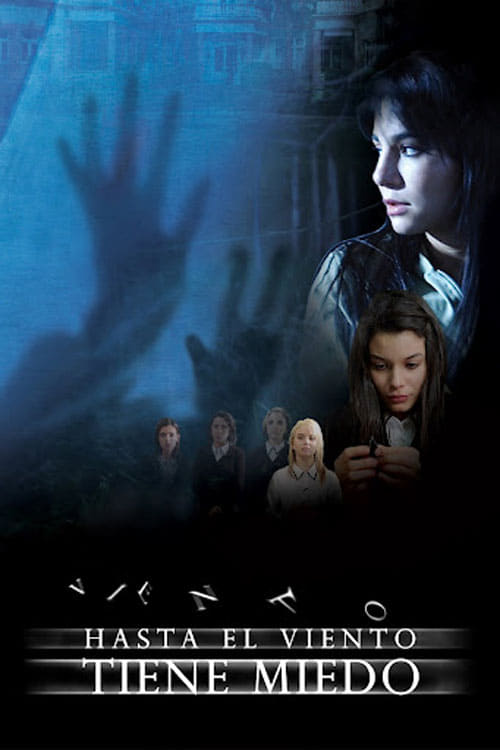
Claudia is a troubled teen confined in a very particular support center ruled with roughness by renowned psychiatrist Bernarda Alquicira. Coexisting with girls who have experienced similar trances, Claudia confronts horrible visions of Andrea, a beautiful intern who committed suicide a year ago. Another strange patient -Josefina- and doctor Lucia Franyutti -the right arm of Bernarda- seem to know the key to the bizarre return of Andrea, but even they are disturbed by the supernatural events that take place when the wind starts to blow.
2016
2003
2004
1996
2016
2009
2025
2006
No reviews yet. Be the first to share your thoughts on this movie!
Use the rating form above to leave a star rating and optional review.