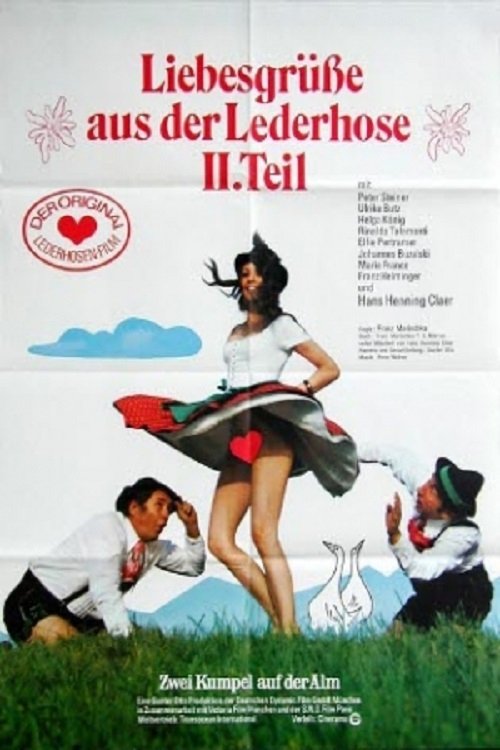
Liebesgrüße aus der Lederhose 2: Zwei Kumpel auf der Alm
1974
No user ratings available yet
Diversity score: 1.9 out of 10
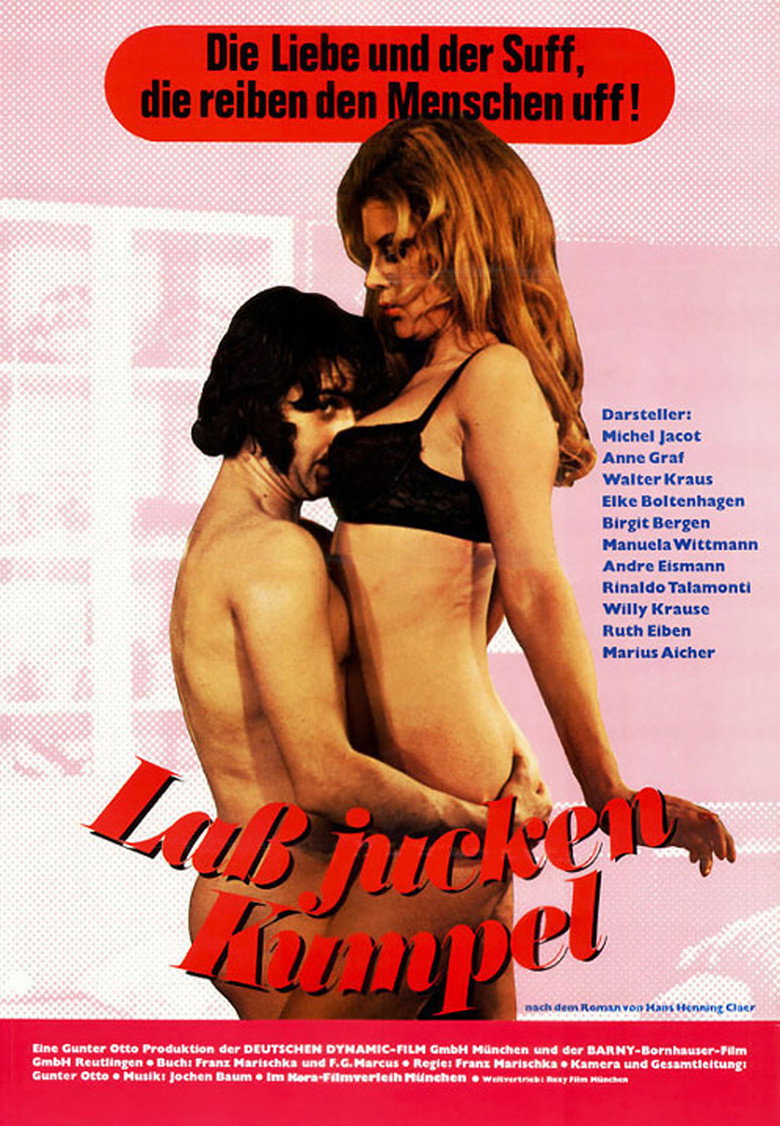
1972
Director
Franz Marischka
Runtime
95 minutes
Average Rating
No ratings yetSynopsis
Heiner works in a mine, drinks beer, and goes to bed with other women, except from his wife, because of his baby son and the neighbours downstairs. But she does not feel like giving up all the fun for so long.
Overall Score
Limited
Category Breakdown
LGBTQ+ Representation
The narrative focuses on heteronormative romantic and sexual dynamics. There is no evidence of same-sex intimacy or non-cisnormative gender identities within the character arcs.
Gender Representation
The film relies on conventional gendered tropes. Heiner embodies traditional masculine indulgence, while the female lead's agency is limited to reacting to his infidelity and domestic constraints.
Racial & Ethnic Diversity
The casting likely reflects a homogeneous European demographic typical of its 1972 release context. There is no indication of a diverse ensemble or race-bent casting.
Religious & Cultural Diversity
The story explores domestic instability and hedonistic social behaviors within traditional frameworks. It lacks a critique of Western institutions or a deconstruction of social structures.
Disability Representation
There is no information available regarding the portrayal of physical or neurodivergent disabilities in this production.
Strengths
Areas for Improvement
AI Analysis
The film operates as a traditional period comedy that reinforces established social hierarchies rather than challenging them. It relies heavily on archetypes common to the early 1970s, focusing on individualistic behaviors like infidelity and alcohol consumption. Representation is largely limited to a heteronormative lens, with gender roles following patriarchal patterns. The lack of diverse casting or non-traditional identities results in a narrow social scope. Ultimately, the work functions as a reflection of its era's standard social structures, offering very little disruption to conventional cultural or gendered norms.
1974
1973

1969

1969

1981
1941
1999
1975

1967
1980
1972
1975
No reviews yet. Be the first to share your thoughts on this movie!
Use the rating form above to leave a star rating and optional review.