
Lovesick
2014
No user ratings available yet
Representation score: 4.5 out of 10
Representation Score
Good
2018
NRDirector
Jason T. Gaffney
Runtime
91 minutes
Average Rating
No ratings yetNew Showbiz Analysis
The film succeeds by centering a queer, neurodivergent protagonist in a way that feels grounded and character-driven. By focusing on the internal mechanics of anxiety rather than external identity struggles, the film avoids common pitfalls of representation. While the film excels in LGBTQ+ visibility and mental health portrayal, it remains a mystery regarding racial and ethnic diversity. The narrative's impact is primarily felt through its psychological depth and its refusal to rely on identity-based trauma. Ultimately, the film elevates the romantic comedy genre by treating its protagonist's mental health with dignity.
Category Breakdown
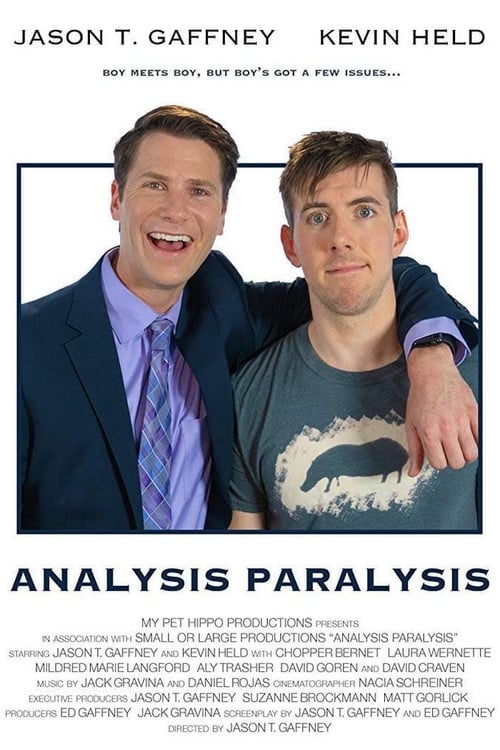
The film centers on a gay protagonist, Tyler O'Connor, and his romantic journey with Shane. It avoids trauma-based clichés by focusing on domestic milestones and intimacy rather than identity-based conflict.
The narrative focuses on individualized character studies and internal psychological states. There is little evidence of a deliberate disruption of traditional gender roles or archetypes.
The available information provides no specific details regarding the racial or ethnic identities of the cast. Consequently, no definitive assessment of diverse casting can be made.
The story prioritizes psychological ability to act and modern themes of mental health over traditional religious frameworks. It explores contemporary interpersonal complexities like domestic life and meeting parents.
The film offers a nuanced look at neurodivergence by centering the plot on an anxiety disorder. It treats the condition as a functional internal obstacle rather than a punchline.
Present on Screen
Limited or Absent
Official Synopsis
The story begins when Tyler O'Conner, a young gay author, visits a therapist and discovers that he suffers from an anxiety disorder commonly called "Analysis Paralysis" - an inability to take action without imagining the ways that each possible choice could go wrong. The problem is that, unchecked, the condition will lead Tyler into a state of complete inaction. To confront the disorder, Tyler decides to fight through his anxiety and ask his cute neighbor, Shane, out for coffee. Despite a flurry of imagined disasters, the date goes well, and Shane and Tyler ultimately become involved. Against all odds, the relationship moves forward, but not without every step of the way - sex, moving in together, and meeting Shane's parents - preceded by an avalanche of negative, albeit hilarious, fantasies.
2014

2023

2022

2019

2022
2024

2020
2019
No reviews yet. Be the first to share your thoughts on this movie!
Use the rating form above to leave a star rating and optional review.