30 Years of Garbage: The Garbage Pail Kids Story
2017
No user ratings available yet
Diversity score: 3.6 out of 10
2019
Director
Giancarlo Soldi
Runtime
75 minutes
Average Rating
No ratings yetSynopsis
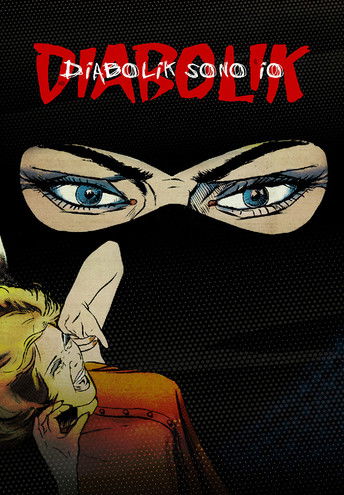
Docudrama about comic book artist Zarcone, who disappeared after illustrating issue #1 of "Diabolik" (November 1, 1962).
Overall Score
Limited
Category Breakdown
LGBTQ+ Representation
The documentary centers on the disappearance of a male creator and the history of a comic book property. There is no explicit focus on non-cisnormative identities or critiques of heteronormativity.
Gender Representation
The narrative is situated within the male-dominated professional sphere of the 1960s Italian comic book industry. It lacks evidence of female characters possessing high agency or subverting traditional hierarchies.
Racial & Ethnic Diversity
The film reflects the demographic homogeneity of the 1960s Italian creative industry. There is no indication of a diverse cast that disrupts traditional demographic expectations.
Religious & Cultural Diversity
The film explores the preservation of comic book history and the mystery of a disappearance. It does not present an anti-Western or anti-capitalist framework.
Disability Representation
There is no documented evidence regarding the portrayal of physical or neurodivergent disabilities in this docudrama.
Strengths
Areas for Improvement
AI Analysis
Diabolik Is Me is a specialized historical docudrama that prioritizes the exploration of a specific cultural mystery. The film adheres to the biographical constraints of its subject matter, focusing on the legacy of a single creator and the 1960s Italian art scene. Because the narrative is tied to the chronological realities of its era, it lacks intentional disruption of social hierarchies. The film functions as a study of creative identity and historical disappearance rather than a vehicle for progressive social commentary. Ultimately, the production reflects the demographic and professional context of its time, resulting in a narrow focus that lacks significant intersectional representation.
2017
2003
2019
2025
2011
2013

2015
2020
2022
2012
2013
2015
No reviews yet. Be the first to share your thoughts on this movie!
Use the rating form above to leave a star rating and optional review.