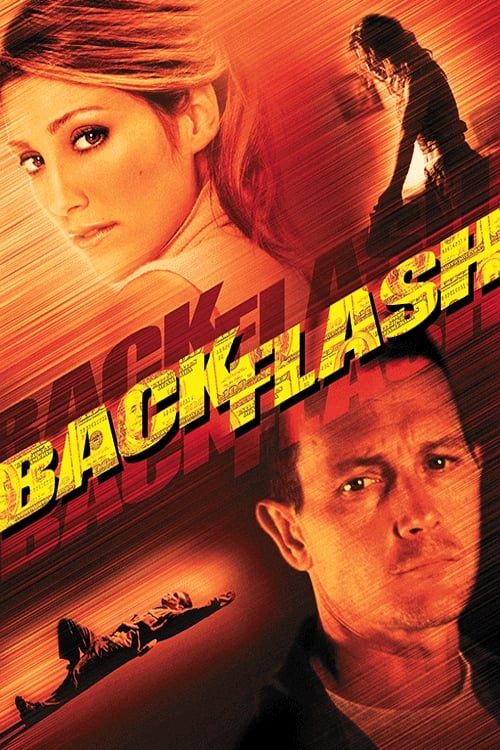
Backflash
2002
No user ratings available yet
Representation score: 6.3 out of 10

Representation Score
Fair
2000
RDirector
Godfrey Ho
Runtime
97 minutes
Average Rating
No ratings yetNew Showbiz Analysis
Manhattan Chase is a conventional crime thriller that relies heavily on established genre archetypes. The narrative centers on a male protagonist navigating themes of paternal responsibility and redemption through action. Representation is limited to traditional structures, focusing on a nuclear family model. Character motivations, such as the ex-wife's struggle with addiction, align with standard cinematic clichés rather than offering deep social insight. The film lacks intentionality regarding storytelling that reflects multiple aspects of identity. It prioritizes kinetic action and genre conventions over the challenge of social hierarchies or the inclusion of diverse identities.
Category Breakdown
The film focuses on traditional family dynamics involving a father, son, and ex-wife. There are no non-cisgender identities or stories that challenge traditional orientation frameworks.
Jason Reed embodies traditional masculine roles as a protector and combatant. A female character exists, but her arc relies on clichés of domesticity and vulnerability related to addiction.
The narrative follows conventional casting patterns typical of turn-of-the-century action cinema. There is no indication of diverse identities used to disrupt established social hierarchies.
The story utilizes standard Western crime clichés centered on individual redemption. It functions as a morality play regarding crime rather than critiquing systemic power or Western institutions.
A character's history of drug addiction is mentioned, but it serves primarily as a plot device. The film lacks nuanced depictions of neurodivergence or chronic illness.
Present on Screen
Limited or Absent
Official Synopsis
After six years as a guest of the state, mob hit man Jason Reed wants nothing more than to get an honest job and spend time with his young son, Tommy. He is not ten steps outside of the prison before being greeted by Keither, an old crony anxious to pick up where they left off. While out for a drive with his son, Jason saves a young woman from a gun wielding thug, not realizing that he has just managed to ruin Keith's plans to recover some stolen heroin. While fending off various retaliatory attacks from his old buddies, Jason must also deal with his ex-wife, a reformed drug addict who has returned from out of nowhere intent on re-uniting with Tommy.
2002

2015
1990
1996
1991

1992

2011
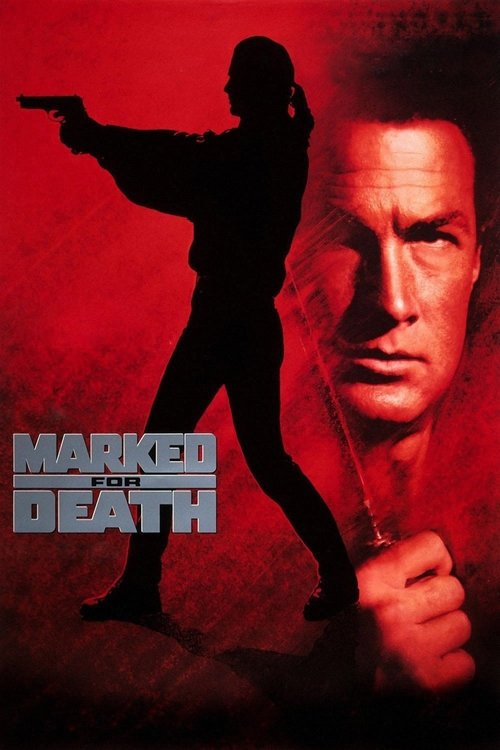
1990
No reviews yet. Be the first to share your thoughts on this movie!
Use the rating form above to leave a star rating and optional review.