
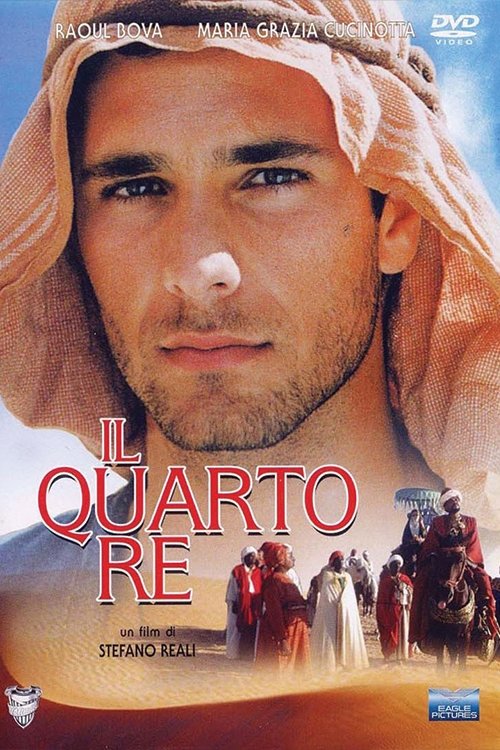
The Fourth Wise Man
1985
No user ratings available yet
Representation score: 2.5 out of 10
Representation Score
Limited
1997
Director
Stefano Reali
Runtime
90 minutes
Average Rating
No ratings yetNew Showbiz Analysis
The film functions as a traditional narrative that reinforces established social and religious hierarchies. It relies on archetypes of masculinity and religious devotion to drive its mythological reimagining of a classic story. While the setting offers potential for a diverse ethnic landscape through its names and biblical context, the character roles remain largely conventional. The plot prioritizes a singular moral framework and the stability of the traditional family unit. Ultimately, the work provides a cohesive but non-challenging experience, focusing on interpersonal dynamics and emotional realism rather than deconstructing social structures.
Category Breakdown
The story centers on a traditional relationship between Alazar and his pregnant wife, Izirah. There is no indication of non-straight or non-cisgender identities or same-sex relationships.
The narrative follows a patriarchal structure where male figures drive the plot. While Izirah provides emotional stakes, she serves as a domestic anchor rather than an active participant in the adventure.
The biblical setting allows for a diverse ethnic landscape through non-Western names like Alazar and Izirah. However, the specific ethnic makeup of the cast is not specified.
The film adheres to traditional Christian moral frameworks centered around the Messiah's arrival. It emphasizes the sanctity of the nuclear family as the ultimate goal of the protagonist's journey.
There is no mention of characters with visible or invisible disabilities within the narrative.
Present on Screen
Limited or Absent
Official Synopsis
Alazar, a simple farmer who is also a beekeeper, meets the Three Wise Men Caspar, Melchior and Balthazar, who have set off to celebrate the arrival on earth of the Messiah. Alazar's magic bees become magically transformed into the tail of the bright comet which leads the four of them to the manger. At first, the brave young farmer's son is on the point of leaving the Wise Men to their fate because he has been forced against his will by their magic powers to leave his pregnant wife Izirah behind. He only very reluctantly agrees to the Kings' request to accompany them. Although the Three Wise Men make it very clear to him how important the Messiah's arrival on earth is, the relationship between the four men remains very tense. Nevertheless, despite all disagreements, our travelling companions soon become firm friends -and after several exciting adventures they finally succeed in locating the manger. The Three Kings then allow Alazar to return home to his loving wife.
1985
2006
2000
1999
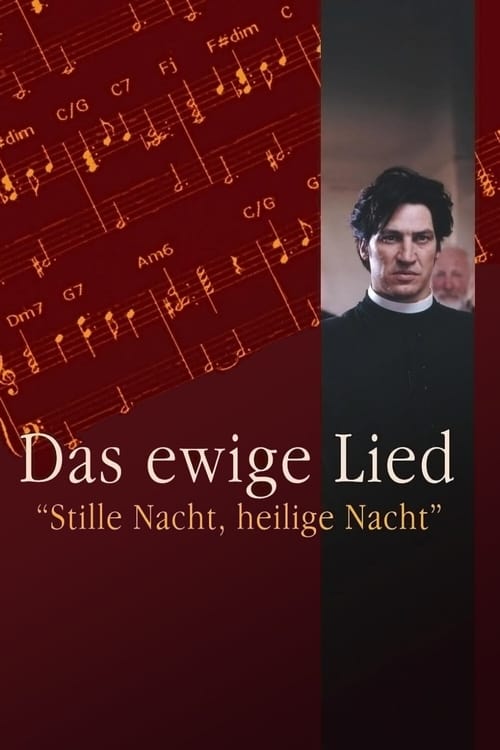
1997
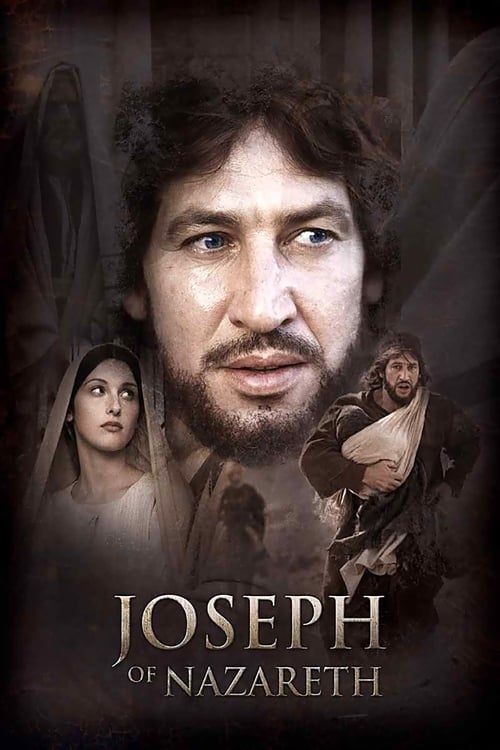
2000
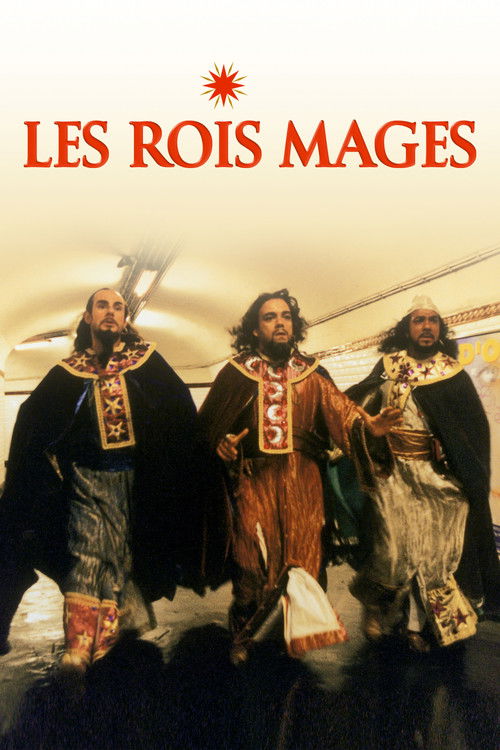
2001
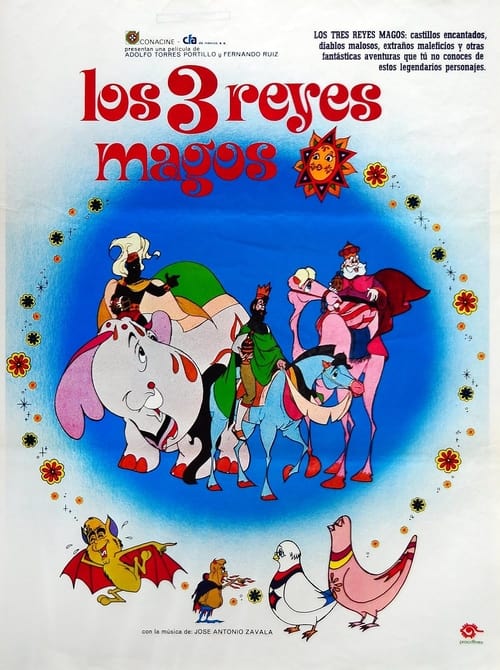
1976
No reviews yet. Be the first to share your thoughts on this movie!
Use the rating form above to leave a star rating and optional review.