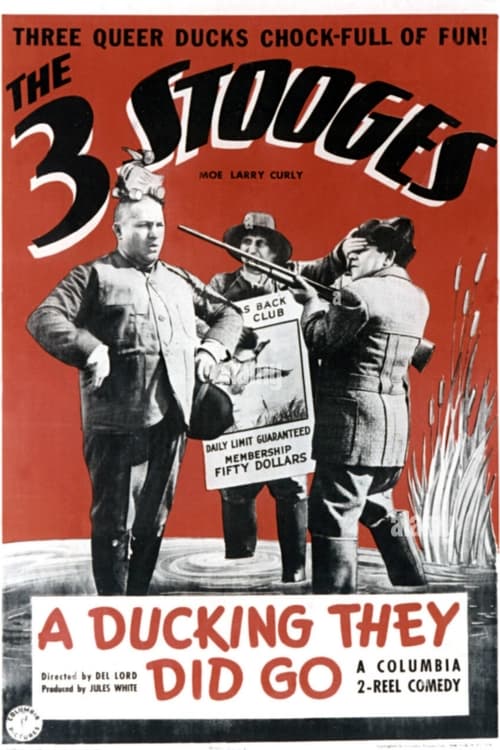
A Ducking They Did Go
1939
No user ratings available yet
Representation score: 0.5 out of 10
Representation Score
Limited
1935
NRDirector
Del Lord
Runtime
20 minutes
Average Rating
No ratings yetNew Showbiz Analysis
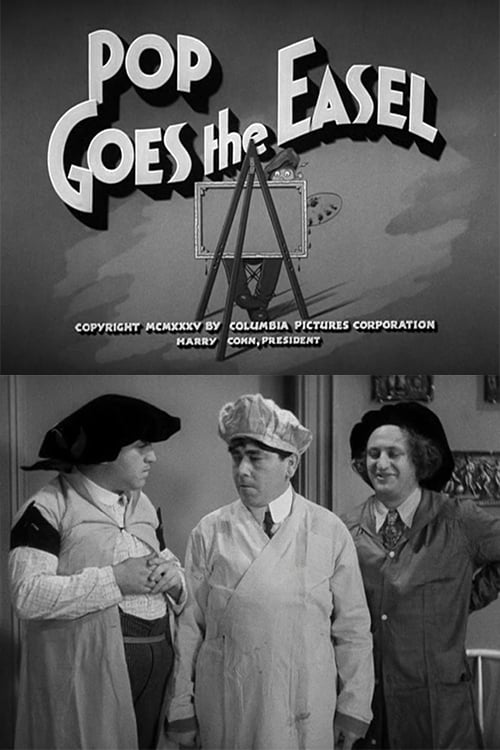
Pop Goes the Easel is a product of its time, prioritizing physical humor over social commentary. The narrative is driven by physical gags and the evasion of authority, leaving little room for diverse character development. The film reflects the homogeneous casting and narrow focus on straight relationships common in 1930s mainstream comedy. It lacks meaningful representation across gender, race, and LGBTQ+ identities, focusing instead on traditional comedic formulas. While the physical comedy is central to the experience, the film does not engage with systemic issues or provide real power to underrepresented groups. It remains a straightforward piece of situational humor.
Category Breakdown
The film does not include any LGBTQ+ characters or narratives. It follows the assumption that everyone is straight or cisgender, which was common in 1930s comedic structures.
Women play minor roles in the story, and there is no focus on their ability to drive the narrative. The comedic tension comes from the protagonists evading law enforcement rather than gendered interactions.
The cast is homogeneous, typical of mid-1930s American comedy. There is no indication of non-white or non-Anglo-Saxon representation.
The plot uses a standard 'man on the run' cliché. Conflict with law enforcement is framed through slapstick humor rather than addressing social or systemic issues.
No characters with visible or invisible disabilities are given real depth. The physical comedy focuses on slapstick rather than disability-specific narratives.
Present on Screen
Limited or Absent
Official Synopsis
The stooges are down and out. With a cop chasing them, they flee into an artists studio where they are mistaken for students. The cop continues to hunt for them and they use a variety of disguises and tactics to elude him. A wild clay throwing fight ends the film.
1939
1943
1955
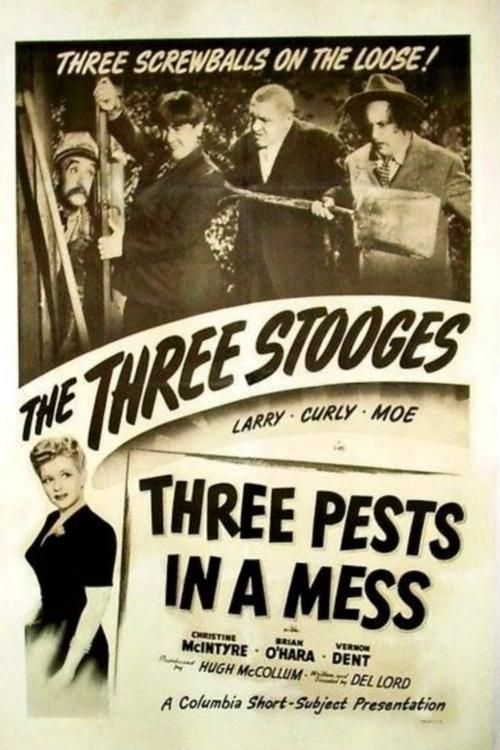
1945
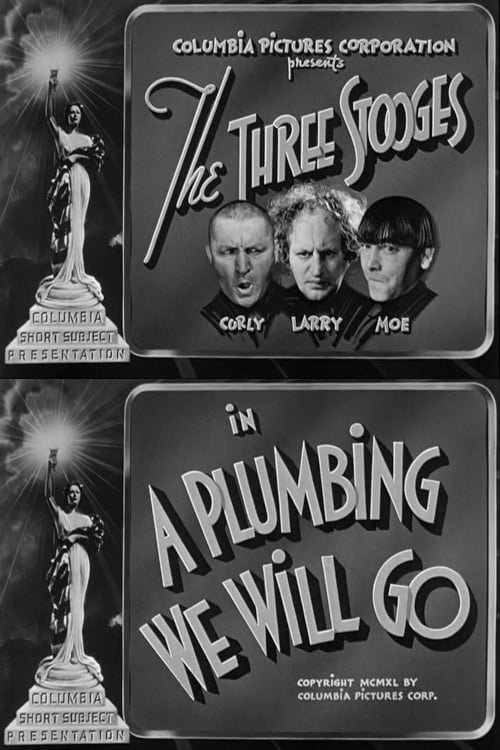
1940
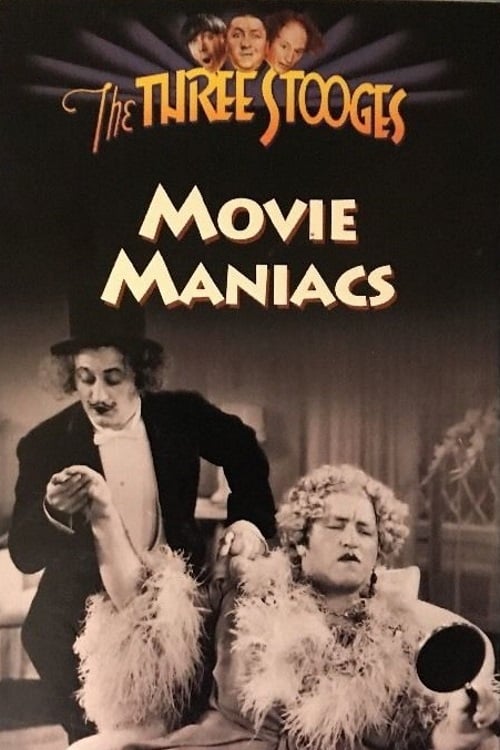
1936
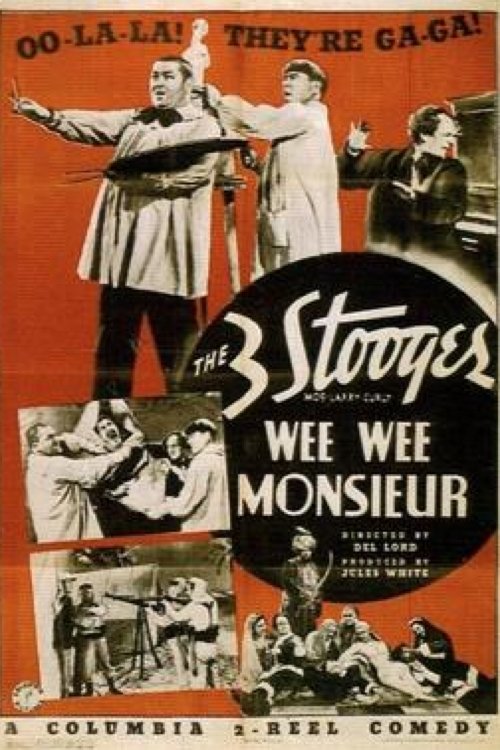
1938
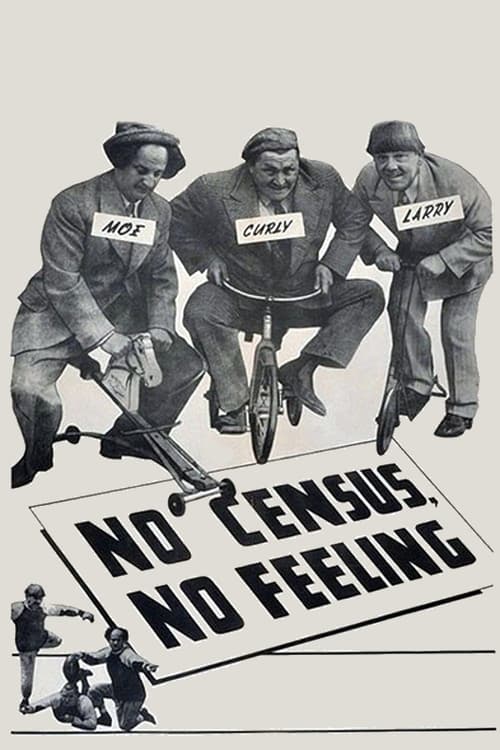
1940
No reviews yet. Be the first to share your thoughts on this movie!
Use the rating form above to leave a star rating and optional review.