
Unstoppable
2004
No user ratings available yet
Representation score: 5.2 out of 10
Representation Score
Limited
2001
RDirector
David Worth
Runtime
88 minutes
Average Rating
No ratings yetNew Showbiz Analysis
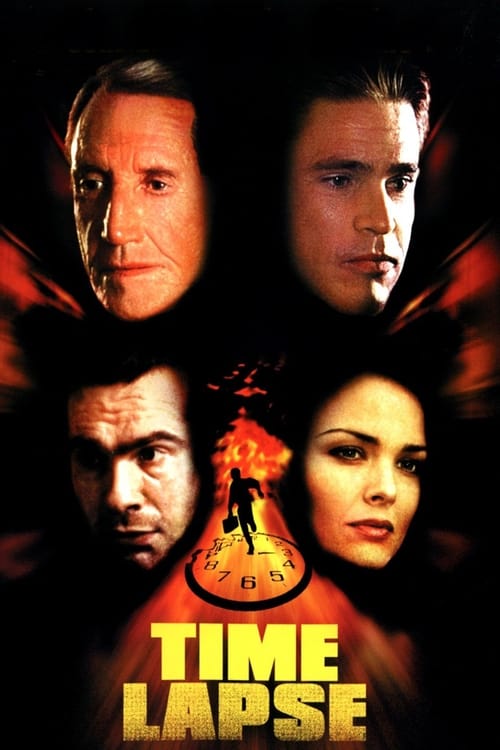
Time Lapse adheres to a conventional action-thriller format, relying on well-established genre clichés and traditional character types. The narrative structure prioritizes a straightforward, high-stakes plot over complex critiques of social hierarchies or diverse cultural perspectives. Ultimately, the film's focus on individual survival and personal identity reinforces standard social norms without challenging them.
Category Breakdown
The film focuses on a heterosexual relationship between Clayton and his ex-wife. There is no representation of same-sex relationships or non-cisgender identities.
The story follows a traditional thriller structure where the male protagonist is the main driver. Kate, the female character, plays a supportive role but has limited control over her own actions.
The narrative centers around a single protagonist and a small group of friends. There is no indication of a diverse cast or non-Anglo-Saxon majority.
Themes of distrust in institutions are portrayed through an individual's perspective. The film highlights personal survival rather than critiquing broader societal issues.
Cognitive impairment caused by the drug Oblivion is used as a plot device to create tension. It drives the thriller's suspense without delving into the nuances of neurodivergence.
Present on Screen
Limited or Absent
Official Synopsis
Clayton Pierce is an agent working under deep cover. Although he is a top agent, he is questioning his loyalty after twenty years of service. His devotion has already cost him his wife, family and personal life. During a de-briefing from his last assignment, he is unknowingly administered the drug Oblivion, which destroys brain cells causing permanent memory loss. Within a few days of injection, the drug's effects become irreversible. Clayton will not only lose his memory, he will lose his identity as well. He realizes he can no longer rely on anyone at the agency to help him, not even his boss, Agent LaNova. With nowhere left to go, he appeals to his ex-wife, Kate, for help. Clayton and Kate must locate the antidote before it's too late.
2004

2020

1996

2007

2010

2022

2015

2012
No reviews yet. Be the first to share your thoughts on this movie!
Use the rating form above to leave a star rating and optional review.