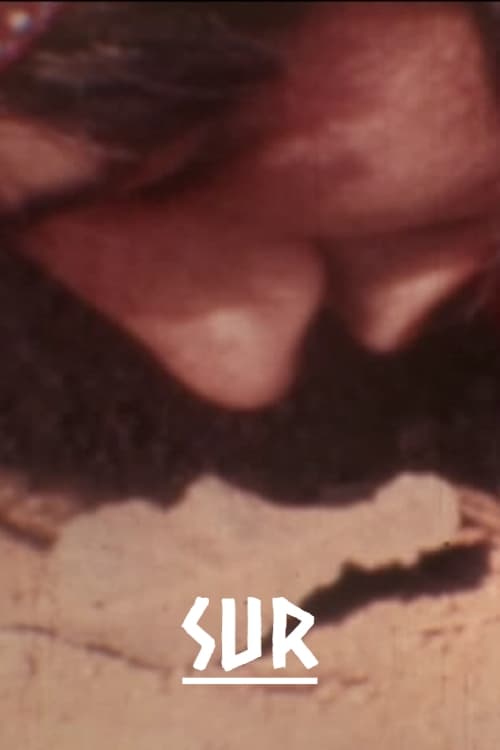
El Ultimo Pistolero
1969
No user ratings available yet
Representation score: 3.8 out of 10
Representation Score
Fair
1969
Director
Gabriel Retes
Runtime
12 minutes
Average Rating
No ratings yetNew Showbiz Analysis
South (1969) acts as a subversive entry in the Western genre, using surrealism to destabilize traditional frontier hierarchies. Gabriel Retes moves away from rigid archetypes, favoring a postmodern exploration of identity and myth. While the film's creative intent points toward dismantling established cultural structures, specific demographic representation remains largely unconfirmed. The narrative architecture focuses more on deconstructing genre clichés than on explicit demographic diversity. Ultimately, the film serves as a transitional piece that challenges the standard Western framework through stylistic experimentation rather than overt social representation.
Category Breakdown
The film's surrealist approach disrupts typical heterosexual and cisgender roles. There is no clear depiction of non-binary gender identities or same-sex relationships.
By removing traditional elements like horses, the film deconstructs the traditional masculine frontier myth. This shift allows for more nuanced gender dynamics.
The film lacks specific casting information to confirm a diverse cast. Its surreal nature might avoid typical racial hierarchies, but the presence of diverse ethnicities is not verified.
The work uses surrealism to critique Western institutional myths and ideals. It emphasizes subjective morality over rigid moral codes found in traditional Westerns.
There is no evidence within the film's context to suggest the presence of characters with visible or invisible disabilities.
Present on Screen
Limited or Absent
Official Synopsis
A surreal and horseless approach to classic western tropes.
1969
1970

1987
2002

1974

1966
1986
1964
No reviews yet. Be the first to share your thoughts on this movie!
Use the rating form above to leave a star rating and optional review.