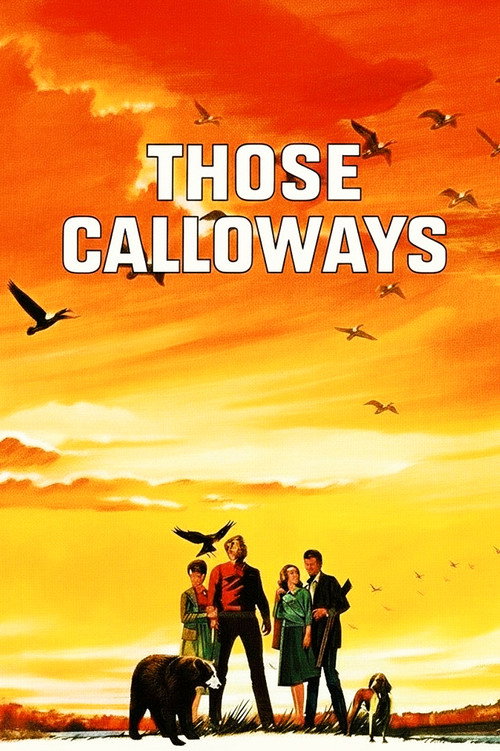
Those Calloways
1964
No user ratings available yet
Diversity score: 2.1 out of 10
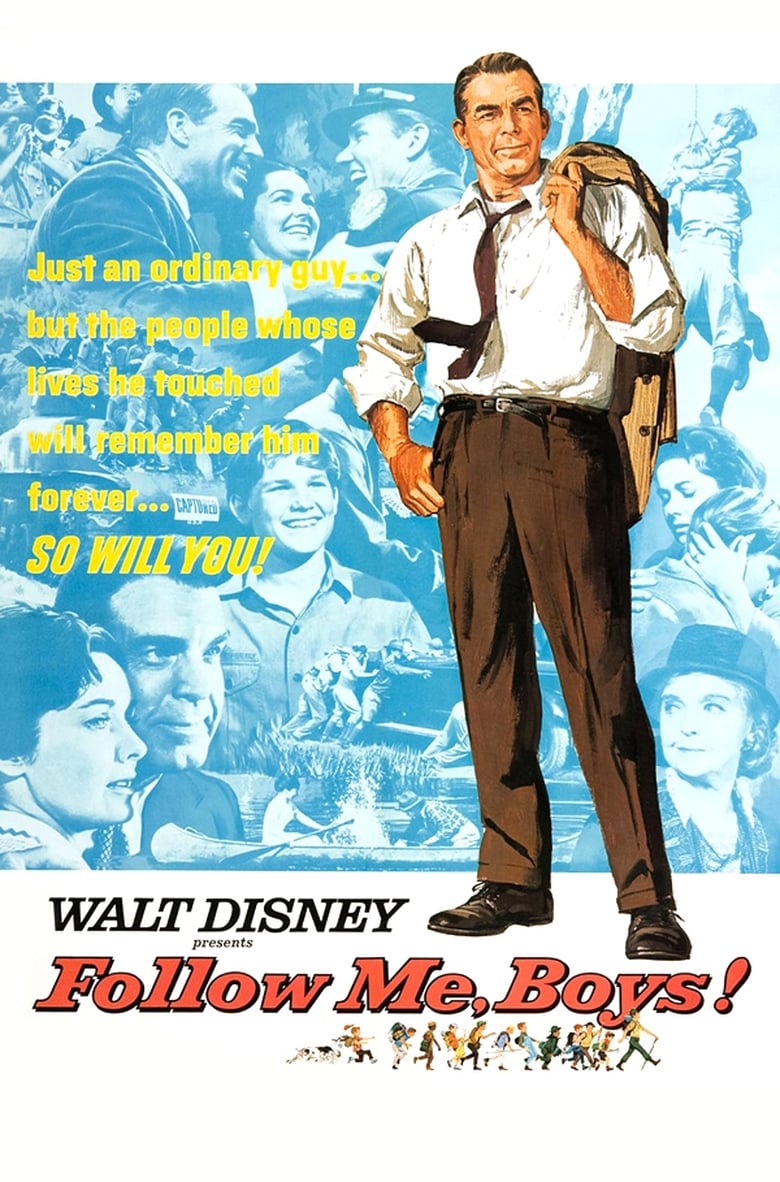
1966
Director
Norman Tokar
Runtime
131 minutes
Average Rating
No ratings yetSynopsis
Lem Siddons is part of a traveling band who has a dream of becoming a lawyer. Deciding to settle down, he finds a job as a stockboy in the general store of a small town. Trying to fit in, he volunteers to become scoutmaster of the newly formed Troop 1. Becoming more and more involved with the scout troop, he finds his plans to become a lawyer being put on the back burner, until he realizes that his life has been fulfilled helping the youth of the small town.
Overall Score
Minimal
Category Breakdown
LGBTQ+ Representation
The film contains no visible or implied LGBTQ+ characters. It adheres strictly to the heteronormative social standards of the 1960s, focusing on conventional family structures.
Gender Representation
The narrative centers on male development and leadership through masculine mentorship. Female characters are relegated to secondary, supportive roles consistent with the era's cinematic tropes.
Racial & Ethnic Diversity
The cast is predominantly homogeneous, reflecting the historical setting of a small American town. There is a lack of racial or ethnic diversity within the community.
Religious & Cultural Diversity
The film celebrates traditional Western institutions like scouting and small-town life. It reinforces a singular, conventional morality aligned with mid-century ideals of duty.
Disability Representation
There is no discernible representation of physical, sensory, or neurodivergent disabilities. Characters follow a standard able-bodied archetype throughout the story.
Strengths
Areas for Improvement
AI Analysis
Follow Me, Boys! functions as a quintessential mid-century studio drama that prioritizes the reinforcement of traditional social hierarchies. The story focuses on patriarchal mentorship and the stability of established civic roles within a small-town setting. While the film successfully executes its wholesome, family-oriented genre, it lacks intersectional complexity. The narrative architecture is designed to uphold homogeneous social structures rather than challenge them. Ultimately, the film presents a narrow view of community, emphasizing Anglo-centric values and traditional gender roles that reflect the production standards of 1966.
1964
1974
1969
1955
1963
2003
1970

2006
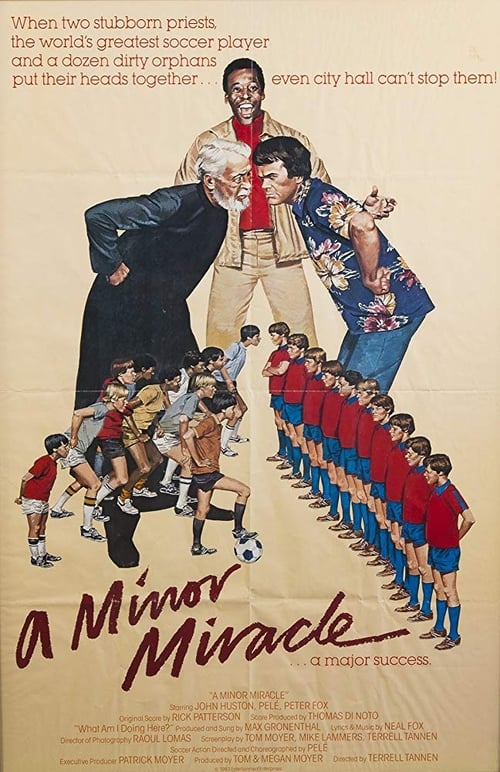
1983
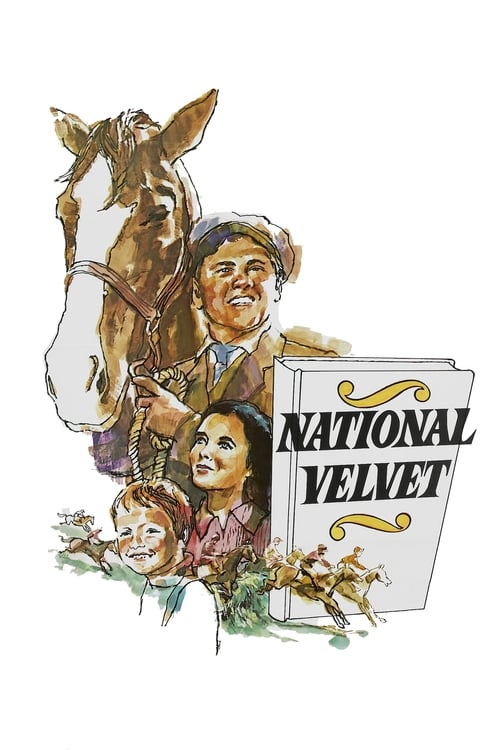
1945
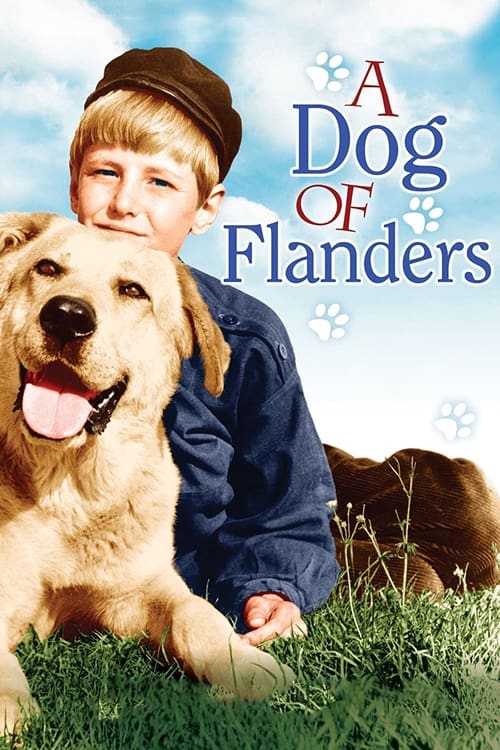
1959
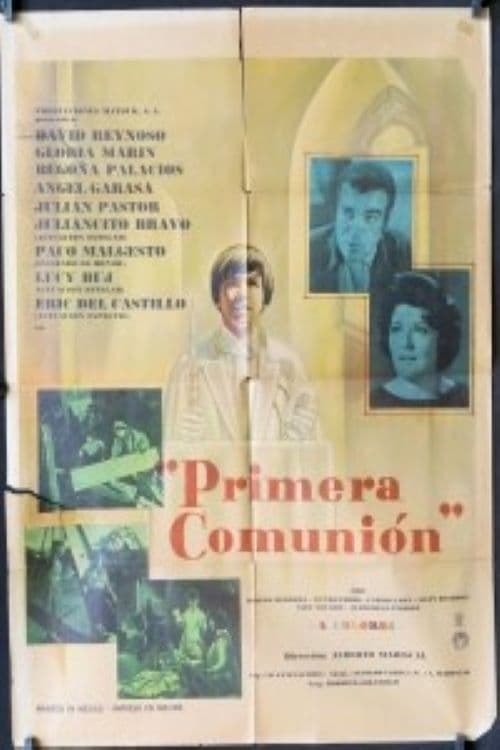
1969
No reviews yet. Be the first to share your thoughts on this movie!
Use the rating form above to leave a star rating and optional review.